Sincronizzazione cross‑device nei casinò moderni: la guida definitiva per sfruttare i jackpot in tempo reale

Nel 2026 il gioco d’azzardo online ha superato il confine della tradizionale schermata da desktop, evolvendosi in un ecosistema davvero multi‑piattaforma. Gli utenti passano fluidamente dal computer al telefono, dal tablet al smartwatch, aspettandosi che la loro esperienza di Live Casino rimanga identica, soprattutto quando un jackpot enorme è in gioco. Questa tendenza è alimentata da connessioni 5G più diffuse, da browser sempre più performanti e da sviluppatori che hanno perfezionato le architetture cloud.

Se stai cercando esempi concreti di piattaforme affidabili, visita la pagina lista casino non aams. Ferraraitalia riunisce risorse utili per chi desidera confrontare offerte, leggere recensioni casino e verificare le promozioni casino disponibili, senza imporre alcuna opinione soggettiva.

Grazie a una sincronizzazione accurata, i giocatori possono controllare i propri conti, piazzare scommesse e monitorare i progressi del jackpot da qualsiasi dispositivo. La continuità aumenta la percezione di sicurezza, riduce il tempo di inattività e apre nuove opportunità di scommesse internazionali. Nei paragrafi seguenti troverai una panoramica tecnica, consigli pratici e strategie di marketing per massimizzare il profitto, passo dopo passo.

1. Architettura della sincronizzazione cross‑device

Una soluzione di sincronizzazione efficace si basa su tre pilastri tecnologici: API REST per le operazioni CRUD, WebSocket per la comunicazione bidirezionale in tempo reale e una Content Delivery Network (CDN) che avvicina i contenuti al giocatore. Le API gestiscono login, prelievi e storico delle puntate, mentre i WebSocket trasmettono immediatamente variazioni di saldo, stato del tavolo e valore del jackpot. La CDN distribuisce video Live e asset statici (CSS, immagini) da nodi geograficamente vicini, assicurando una latenza inferiore ai 30 ms anche su reti 4G più lente.

Nel 2026 le imprese si dividono tra due approcci infrastrutturali. Le soluzioni on‑premise, ancora preferite da alcuni operatori con requisiti di compliance rigorosi, prevedono data‑center dedicati, bilanciatori hardware e storage locale. Al contrario, le architetture cloud‑native sfruttano Kubernetes, serverless functions e storage a oggetti, consentendo scalabilità automatica durante picchi di traffico, come i momenti in cui un jackpot supera 1 milione di euro.

Diagramma concettuale (da inserire)
– Client (desktop, mobile, tablet) → CDN → API Gateway → Microservizi (sessione, jackpot, streaming) → Database in cluster

1.1. Gestione delle sessioni persistenti

Le sessioni sono tutelate da token JWT firmati con chiave RSA a 2048 bit. Alla prima autenticazione il server rilascia un access token valido per 15 minuti e un refresh token con durata di 30 giorni, memorizzato in un cookie HttpOnly. In caso di perdita di rete, il client tenta automaticamente di ri‑autenticare usando il refresh token; se anche questo non è disponibile, il flusso passa a una modalità “offline‑cache” che conserva le ultime azioni di scommessa localmente e le invia non appena la connessione è ristabilita.

1.2. Sicurezza dei dati in transito

Tutto il traffico è criptato con TLS 1.3, la versione più recente che supporta 0‑RTT per ridurre il tempo di handshake. Il pinning dei certificati è implementato sia sul client mobile (tramite librerie di sicurezza native) sia sui browser, impedendo attacchi man‑in‑the‑middle. Inoltre, le chiavi di cifratura per il flusso video Live sono negoziate tramite Secure Real‑Time Transport Protocol (SRTP), garantendo che le immagini del dealer non vengano intercettate.

2. Integrazione del Live Casino con i jackpot sincronizzati

Il Live Casino combina due elementi critici: lo streaming video a bassa latenza e i dati dinamici del jackpot. I provider di streaming utilizzano RTMP per l’ingresso del segnale dal dealer e LL‑HLS (Low‑Latency HLS) per la distribuzione verso i client, riducendo il ritardo a meno di 200 ms. Nel frattempo, i WebSocket inviano aggiornamenti del valore del jackpot in tempo reale, sincronizzati con il feed video.

Giochi come Roulette Live 5‑Zero e Blackjack Premium Live mostrano un contatore progressivo visibile su tutte le piattaforme: il valore si aggiorna istantaneamente quando un altro tavolo contribuisce al montepremi. Il risultato è una sensazione di “una singola stanza virtuale” anche quando il giocatore si sposta dal laptop al cellulare durante il tragitto casa‑lavoro.

2.1. Aggiornamento istantaneo del valore del jackpot

Quando il server calcola una nuova quota del jackpot, invia un messaggio JSON via WebSocket: { "event":"jackpotUpdate", "value": 842315 }. Il client, già predisposto con una UI reattiva (React Native o Vue 3), intercetta l’evento e anima il contatore con una transizione fluida, mantenendo l’aspetto responsive su schermi di diverse dimensioni.

2.2. Coordinamento tra dealer reale e algoritmo del jackpot

Il dealer verifica manualmente ogni vincita, ma il calcolo del jackpot è delegato a un algoritmo provably‑fair basato su hash SHA‑256 e su un seed generato dal server ogni 5 minuti. Prima di ogni giro, il dealer legge il valore mostrato sul monitor; al termine, il server confronta il risultato con il seed e pubblica la prova crittografica nella sezione “Trasparenza” del sito. Questo approccio combina l’autenticità dell’interazione umana con la sicurezza matematica di un algoritmo verificabile.

3. Ottimizzazione dell’esperienza utente su dispositivi mobili

Progettare per mobile significa rispettare tre principi fondamentali: responsività, touch‑first e caching intelligente.

  • Design responsive – le tavole live si adattano a una griglia a 12 colonne, con i pulsanti di puntata ridimensionati in base alla larghezza dello schermo. I componenti critici (contatore jackpot, pulsante “Bet”) rimangono sempre visibili grazie a una barra sticky.
  • Touch‑input – le scommesse rapide sfruttano gesture swipe per aumentare o diminuire la puntata in incrementi di 0,10 €, 0,50 € o 1 €. Un breve haptic feedback conferma l’azione senza interrompere il flusso video.
  • Caching locale – le risorse statiche (CSS, icone, font) sono memorizzate con Service Worker e una strategia “Stale‑While‑Revalidate”, così il primo caricamento richiede meno di 1,2 s anche in condizioni di rete 3G.
Dispositivo Tempo medio di caricamento (s) Percentuale di rimbalzo Feedback tattile
Desktop 1,0 12 % N/A
Tablet 1,4 15 % Leggero vibro
Smartphone 1,6 18 % Vibr. medio

Questa tabella, da inserire nella versione finale, sintetizza i risultati di un test interno condotto su tre modelli di device di fascia media.

4. Analisi delle performance: metriche chiave da monitorare

Per garantire una sincronizzazione senza interruzioni, è necessario monitorare costantemente le seguenti metriche:

  • Latency medio: tempo tra l’evento di gioco (es. spin) e la ricezione dell’update su tutti i client. Obiettivo < 80 ms.
  • Tasso di perdita pacchetti: percentuale di frame video persi durante lo streaming; valori superiori allo 0,5 % indicano problemi di rete.
  • Tempo di riconnessione: durata della procedura di fallback quando la connessione cade; deve essere inferiore a 2 s per non interrompere il flusso del jackpot.

Per i jackpot, consideriamo KPI più specifici:

  • Tempo medio per colpo: intervallo medio tra due aumenti del jackpot; più breve indica una base di scommesse attiva.
  • Valore medio vinto: media delle vincite jackpot per sessione; utile per calibrare le promozioni future.

Gli operatori usano Grafana per visualizzare dashboard in tempo reale, mentre Prometheus raccoglie i contatori e genera alert via Slack o email quando latency supera la soglia di 100 ms.

5. Strategie di marketing per promuovere i jackpot cross‑device

Una buona campagna sfrutta i dati multicanale per creare messaggi personalizzati.

  • Push basate su geolocalizzazione – se il server rileva che un utente si trova in una zona con alta concentrazione di dispositivi iOS, invia una notifica “Jackpot Live in €500k, gioca ora dal tuo iPhone”.
  • Programmi di fidelizzazione – i punti fedeltà sono incrementati del 20 % quando il giocatore accede allo stesso jackpot da due dispositivi diversi nello stesso giorno.
  • Eventi Live Dealer – organizzare serate tematiche, ad esempio “Blackjack Night con Jackpot Progressivo”, durante le quali il dealer annuncia premi extra solo per chi partecipa da mobile.

5.1. Creazione di eventi “Jackpot Night” sincronizzati

Per pianificare una Jackpot Night è consigliabile:

  1. Scegliere un orario centrale (es. 20:00 UTC) che copra le principali fasce orarie europee e americane.
  2. Pubblicare un teaser su tutti i canali (email, app, social) con contatore countdown.
  3. Offrire bonus “double‑up” a chi registra almeno una scommessa da desktop e una da smartphone nello stesso evento.

5.2. Analisi dei dati di gioco per personalizzare le offerte

I team di data science segmentano gli utenti in base a:

  • Storico di puntata (low‑roller vs high‑roller)
  • Preferenza di piattaforma (desktop 70 % vs mobile 30 %)
  • Frequenza di login (giornaliera, settimanale)

Queste informazioni alimentano un algoritmo di recommendation che propone jackpot con volatili più adatti al profilo, aumentando la probabilità di conversione.

6. Futuri sviluppi: AI e realtà aumentata nella sincronizzazione dei jackpot

L’intelligenza artificiale sta già influenzando la gestione dei jackpot. Modelli di machine learning predicono i picchi di contribuzione analizzando trend storici, eventi sportivi e flussi di traffico. Quando l’AI rileva un imminente “boom” di scommesse, automaticamente alloca più risorse di streaming verso i server di edge, evitando saturazione.

L’AR, d’altra parte, porta il jackpot sul tavolo fisico del giocatore. Indossando occhiali AR o usando la fotocamera del cellulare, l’utente vede un ologramma tridimensionale che mostra il valore attuale, la probabilità di vincita e persino animazioni di monete che ruotano intorno al dealer. Questo è indipendente dal dispositivo: il rendering avviene sul cloud e viene trasmesso in tempo reale, mentre il dispositivo locale si occupa solo di visualizzare l’overlay.

Con il 5G ormai consolidato, la latenza è scesa sotto i 5 ms per connessioni edge‑to‑edge, rendendo possibile un’esperienza quasi “senza ritardo”. In combinazione con le capacità di elaborazione al bordo (edge computing), le piattaforme potranno gestire simultaneamente migliaia di jackpot sincronizzati, mantenendo la coerenza dei dati su desktop, tablet e smartwatch.

Conclusione

La sincronizzazione cross‑device è ormai un requisito imprescindibile per chi vuole competere nel mercato dei Live Casino del 2026. Grazie a architetture basate su API REST, WebSocket e CDN, i giocatori possono controllare i propri conti e monitorare i jackpot in tempo reale, indipendentemente dal dispositivo che usano. La sicurezza TLS 1.3, la gestione dei token JWT e le strategie di caching garantiscono una sessione continua e protetta.

Se desideri provare queste innovazioni, visita una piattaforma che offra streaming low‑latency, jackpot progressivi e supporto completo per mobile. Metti in pratica le tecniche di marketing illustrate—push geolocalizzate, eventi Jackpot Night e programmi di fedeltà multidevice—per massimizzare il tuo ritorno. Restare informati su AI, AR e 5G ti consentirà di anticipare le prossime evoluzioni del settore e di sfruttare al meglio ogni opportunità di vincita.

Continua a monitorare risorse come Ferraraitalia per approfondire le promozioni casino, confrontare giochi online e leggere recensioni casino aggiornate, così da mantenere il tuo vantaggio competitivo nel panorama in rapida evoluzione del gioco d’azzardo digitale.
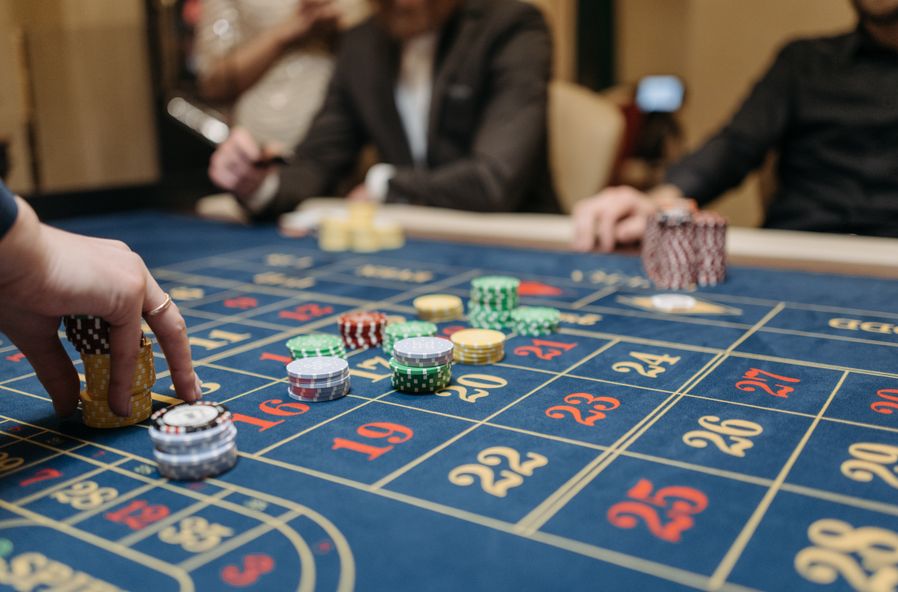
Chiến lược chơi “Cao vs Thấp” trong các sòng bạc trực tuyến hiện đại – Khi Jackpot Gặp Live Casino

Trong thập kỷ qua, ngành công nghiệp sòng bạc trực tuyến đã chứng kiến một đà tăng trưởng không ngừng, nhờ vào công nghệ streaming chất lượng cao và khả năng tiếp cận toàn cầu. Người chơi ngày càng không chỉ muốn quay vòng máy đơn thuần mà còn khao khát trải nghiệm cảm giác thực tế của bàn chơi truyền thống. Chính vì thế, Live Casino – nơi các dealer thực tế truyền hình trực tiếp – đã trở thành một xu hướng chủ đạo, thu hút hàng triệu người dùng mỗi tháng.

Trong môi trường này, hai khái niệm “cược cao” và “cược thấp” trở nên quan trọng hơn bao giờ hết. Cược cao thường đi kèm với tiềm năng thắng lớn, nhưng cũng đòi hỏi ngân sách mạnh và khả năng chịu áp lực tâm lý cao. Ngược lại, cược thấp cho phép người chơi kéo dài thời gian chơi, học hỏi chiến thuật và giảm thiểu rủi ro tài chính. Để tìm nền tảng tin cậy, độc giả có thể tham khảo nhà cái uy tín nhất việt nam, một nguồn thông tin đáng tin cậy về các nhà cái và các dịch vụ liên quan.

Vấn đề then chốt mà các game thủ phải đối mặt là làm sao cân bằng giữa mong muốn “đập jackpot” – một khoản thắng khổng lồ có thể thay đổi cuộc sống – và việc duy trì ngân sách hợp lý, tránh rơi vào tình trạng “cứu vớt” (chasing losses). Bài viết dưới đây sẽ phân tích chi tiết các khía cạnh của cược cao và cược thấp trong Live Casino, đồng thời đề xuất các chiến lược thực tiễn giúp người chơi tối ưu hoá lợi nhuận và trải nghiệm.

Đặc điểm của cược cao trong Live Casino

Cược cao thường xuất hiện ở những trò chơi có mức đặt cược tối thiểu từ 100 USD trở lên, ví dụ như Roulette “High Roller”, bàn Blackjack với giới hạn 500 USD và Baccarat “VIP”. Những bàn này thường được bố trí trong phòng “VIP Lounge”, nơi ánh sáng sang trọng, âm nhạc nhẹ nhàng và dealer được đào tạo chuyên nghiệp.

Lợi thế của cược cao là tiềm năng thắng lớn; một vòng Roulette với cược 1,000 USD có thể mang lại lợi nhuận lên tới 35,000 USD nếu đặt vào số 0. Thêm vào đó, các sòng bạc thường cung cấp các gói ưu đãi đặc biệt cho người chơi cao cấp: cashback lên đến 20%, quyền truy cập vào sự kiện offline, và chương trình khuyến mãi cá cược độc quyền.

Tuy nhiên, rủi ro cũng không hề nhỏ. Độ biến động (volatility) của các bàn cược cao rất cao; một chuỗi thua kéo dài có thể làm giảm ngân sách nhanh chóng, gây áp lực tâm lý và làm giảm quyết định chiến thuật. Ngoài ra, yêu cầu ngân sách mạnh khiến nhiều người chơi mới khó tiếp cận, và việc quản lý bankroll trở nên phức tạp hơn.

Yếu tố Cược cao Cược thấp
Mức đặt cược tối thiểu ≥ 100 USD ≤ 10 USD
RTP trung bình 96‑98% 95‑97%
Volatility Cao Thấp‑Trung bình
Ưu đãi VIP Có Hạn chế

Đặc điểm của cược thấp trong Live Casino

Cược thấp phổ biến trên các bàn Roulette “Mini”, Blackjack “Low Limit” và Baccarat “Starter”. Mức cược tối thiểu thường dao động từ 1 đến 10 USD, cho phép người mới bắt đầu hoặc những người có ngân sách hạn chế tham gia mà không lo sợ mất toàn bộ vốn trong một ván.

Lợi ích lớn nhất của cược thấp là thời gian chơi được kéo dài. Khi đặt 5 USD mỗi vòng, người chơi có thể tham gia hàng trăm vòng trong một buổi, từ đó tích lũy kinh nghiệm, hiểu sâu hơn về xu hướng bàn và cách đọc hành vi dealer. Áp lực tài chính giảm đi đáng kể, giúp duy trì sự tỉnh táo và giảm thiểu quyết định “cứu vớt” khi thua.

Tuy nhiên, hạn chế của cược thấp là jackpot thường không đạt mức cao. Nhiều Live Casino chỉ cung cấp jackpot cố định (fixed) cho các bàn có mức cược tối thiểu cao, trong khi các bàn cược thấp chỉ có jackpot chung (pool) với giá trị nhỏ hơn. Do đó, lợi nhuận trung bình mỗi vòng thường chỉ ở mức vài cent, đòi hỏi người chơi phải kiên nhẫn và có mục tiêu lợi nhuận dài hạn.

  • Các trò chơi phổ biến cho cược thấp:
  • Roulette Mini (min bet 1 USD)
  • Blackjack Low Limit (min bet 2 USD)
  • Baccarat Starter (min bet 5 USD)

  • Lợi ích chính: thời gian chơi dài, rủi ro tài chính thấp, môi trường học tập.

So sánh tần suất thắng và mức độ rủi ro

Phân tích thống kê từ một số nền tảng Live Casino cho thấy tần suất thắng (win rate) của cược cao thường nằm trong khoảng 48‑52%, trong khi cược thấp có tần suất thắng cao hơn, dao động 52‑55%. Điều này phản ánh sự ổn định hơn của các vòng cược nhỏ, nơi biến động ngẫu nhiên ít ảnh hưởng tới kết quả cuối cùng.

Tỷ lệ hoàn vốn (RTP) trung bình của các trò chơi Live Casino thường nằm trong khoảng 96‑98% cho cả hai mức cược, nhưng volatility khác nhau đáng kể. Cược cao có volatility cao, nghĩa là các khoản thắng và thua có độ lệch lớn; cược thấp có volatility thấp, mang lại chuỗi thắng và thua ngắn hơn, giúp người chơi duy trì ngân sách ổn định hơn.

Ví dụ thực tế: trên một bàn Roulette VIP với mức cược 500 USD, một người chơi có thể thắng 35,000 USD trong một vòng duy nhất, nhưng cũng có khả năng mất 2,000 USD chỉ trong ba vòng liên tiếp. Ngược lại, trên bàn Roulette Mini với mức cược 5 USD, người chơi có thể thắng 350 USD sau 70 vòng, nhưng tổng thua trung bình trong cùng khoảng thời gian chỉ khoảng 30 USD.

Ảnh hưởng của ngân sách cá nhân tới quyết định cược

Quản lý ngân sách (bankroll management) là nền tảng quyết định mức cược phù hợp. Một nguyên tắc cơ bản là không nên đặt hơn 2% ngân sách vào một ván cược duy nhất. Ví dụ, nếu ngân sách là 2,000 USD, mức cược tối đa nên ở mức 40 USD cho mỗi vòng.

“Unit bet” là đơn vị cược được tính dựa trên tỷ lệ phần trăm ngân sách. Đối với người chơi có ngân sách 500 USD, một unit có thể là 5 USD (1%). Khi ngân sách tăng lên, người chơi có thể chuyển từ cược thấp (1‑2 units) sang cược trung bình (3‑5 units) và cuối cùng là cược cao (≥10 units) nếu cảm thấy tự tin với chiến thuật.

Việc chuyển đổi mức cược nên dựa trên các tiêu chí:
– Chu kỳ thắng/thua: Khi có chuỗi thắng dài, có thể tăng 1‑2 units.
– Mức lợi nhuận đạt được: Khi lợi nhuận đạt 20% ngân sách, cân nhắc tăng mức cược để săn jackpot.
– Độ thoát hiểm (drawdown): Nếu thua hơn 10% ngân sách, giảm mức cược trở lại mức an toàn.

Vai trò của Jackpot trong chiến lược cược cao

Jackpot trong Live Casino thường có hai dạng: progressive (tăng dần) và fixed (cố định). Progressive jackpot được tích lũy từ một phần cược của mọi người chơi, và thường chỉ được kích hoạt khi đặt cược ở mức tối thiểu cao, ví dụ 100 USD hoặc hơn. Fixed jackpot có giá trị cố định, thường xuất hiện ở các trò chơi như Roulette “Mega Wheel” với mức cược tối thiểu 200 USD.

Khi đặt cược cao, cơ hội kích hoạt jackpot tăng đáng kể, vì mỗi vòng cược đóng góp nhiều hơn vào quỹ jackpot. Một ví dụ thực tế từ một sòng bạc Live Casino nổi tiếng là một người chơi đặt 500 USD vào bàn Roulette VIP và thắng jackpot progressive 150,000 USD chỉ sau 12 vòng.

Các yếu tố ảnh hưởng tới khả năng thắng jackpot khi cược cao:
– Tỷ lệ đóng góp vào jackpot (thường 1‑2% của mỗi cược).
– Số vòng chơi trước khi jackpot được kích hoạt (có thể từ 30‑100 vòng).
– Sự đồng thời của các yếu tố ngẫu nhiên (wheel spin, dealer shuffle).

Jackpot và người chơi cược thấp: Liệu có khả thi?

Mặc dù cược thấp đóng góp ít hơn vào quỹ jackpot, nhưng vẫn có cơ hội thắng nếu trò chơi cung cấp “jackpot chung” cho mọi mức cược. Ví dụ, một bàn Baccarat Low Limit có jackpot chung 10,000 USD, và mỗi cược 5 USD vẫn có xác suất nhận phần thưởng nhỏ khi jackpot được kích hoạt.

Chiến thuật “chơi nhiều vòng” giúp người chơi cược thấp tăng tổng số lần tham gia, từ đó nâng khả năng tiếp cận jackpot chung. Nếu một người chơi đặt 5 USD mỗi vòng và chơi 200 vòng, tổng cược là 1,000 USD – tương đương với một cược 100 USD trong một vòng. Tuy nhiên, chi phí trung bình để đạt jackpot ở mức cược thấp thường cao hơn: một người chơi có thể phải chi tiêu từ 2,000‑3,000 USD để chạm tới jackpot chung, trong khi người chơi cược cao có thể đạt mục tiêu trong 10‑20 vòng.

Trải nghiệm người chơi: Cảm giác và tương tác trong Live Casino

Cảm giác hồi hộp khi đặt cược cao khác biệt rõ rệt so với cược thấp. Khi đặt 1,000 USD vào một vòng Blackjack, tim người chơi thường đập nhanh hơn, mắt luôn theo dõi mỗi lá bài, và bất kỳ quyết định “hit” hay “stand” đều có sức ảnh hưởng lớn tới ngân sách. Đối với cược thấp, cảm giác thường nhẹ nhàng hơn; người chơi có thể tập trung vào việc đọc xu hướng dealer, thử nghiệm các chiến thuật “card counting” nhẹ nhàng mà không lo ngại mất quá nhiều tiền trong một lần quyết định.

Dealer trực tiếp, tính năng chat và môi trường thực tế tạo ra sự gắn kết xã hội, giúp người chơi cảm nhận được “cảm xúc sòng bạc thực”. Khi mức cược cao, người chơi thường nhận được sự chú ý nhiều hơn từ dealer, có thể được gọi tên và nhận lời chúc mừng khi thắng, tạo cảm giác đặc biệt và tăng động lực. Ngược lại, người chơi cược thấp thường cảm nhận môi trường như một “phòng học”, nơi họ có thể hỏi dealer về luật chơi hoặc chiến thuật mà không gây áp lực.

Chiến lược kết hợp “cược cao” và “cược thấp” trong cùng một phiên chơi

Kỹ thuật “mix‑and‑match” cho phép người chơi linh hoạt chuyển đổi mức cược dựa trên xu hướng bàn và tình trạng ngân sách. Ví dụ, trong một phiên Roulette, người chơi có thể bắt đầu với cược thấp 5 USD trong 20 vòng để “đo” xu hướng. Khi nhận thấy quả bóng rơi thường vào các số chẵn, họ có thể tăng lên 50 USD (10 units) trong 5 vòng để săn jackpot. Nếu chuỗi thua xuất hiện, họ hạ lại mức 5 USD để bảo toàn vốn.

Lập kế hoạch thời gian:
– Giai đoạn 1 (15‑20 phút): cược thấp, thu thập dữ liệu.
– Giai đoạn 2 (5‑10 phút): cược trung bình, kiểm tra xu hướng.
– Giai đoạn 3 (5 phút cuối): cược cao nếu điều kiện thuận lợi, ngược lại hạ cược.

Mục tiêu lợi nhuận nên được đặt rõ ràng, ví dụ: “đạt lợi nhuận 10% ngân sách hoặc đạt jackpot”. Khi một trong hai mục tiêu đạt, người chơi nên dừng lại để bảo toàn lợi nhuận đã có.

Xu hướng công nghệ và tương lai của Live Casino đối với cược cao/thấp

AI và học máy đang được tích hợp vào nền tảng Live Casino để phân tích hành vi người chơi, đề xuất mức cược tối ưu và cảnh báo rủi ro. VR (Virtual Reality) cho phép người chơi “bước vào” sòng bạc 3D, nơi mức cược có thể được tùy chỉnh ngay trên giao diện, tạo ra trải nghiệm cá nhân hoá hơn.

Các tính năng mới như “bet limits tùy chỉnh” cho phép người chơi đặt mức tối đa và tối thiểu dựa trên ngân sách cá nhân, giảm thiểu việc vượt quá giới hạn tự đặt. Jackpot động, thay đổi theo lưu lượng người chơi và thời gian, sẽ khiến cược thấp cũng có cơ hội nhận phần thưởng hấp dẫn hơn trong tương lai.

Dự đoán trong 5‑10 năm tới:
– Số lượng bàn “High Roller” sẽ tăng lên 30% nhờ vào nhu cầu khai thác jackpot lớn.
– Công nghệ AI sẽ cung cấp “coach” ảo, giúp người chơi cược thấp tối ưu hoá chiến thuật.
– VR sẽ đưa ra các “phòng VIP” ảo, nơi người chơi có thể thay đổi mức cược chỉ bằng một cú nhấp chuột.

Lời khuyên thực tiễn để tìm “cấp độ hoàn hảo” của bạn

  1. Đánh giá mục tiêu tài chính và mức chấp nhận rủi ro: xác định rõ bạn muốn chơi giải trí, kiếm lợi nhuận ngắn hạn, hay săn jackpot lớn.
  2. Thử nghiệm trên các bàn cược khác nhau: ghi chép kết quả, thời gian thắng/thua, và cảm giác khi đặt cược. Nền tảng như Ncjolt có thể cung cấp danh sách các sòng bạc và mức cược để bạn so sánh.
  3. Điều chỉnh chiến lược dựa trên dữ liệu cá nhân: nếu bạn thắng hơn 60% vòng cược thấp nhưng không đạt được jackpot, hãy cân nhắc tăng mức cược dần dần. Ngược lại, nếu chuỗi thua kéo dài, hạ mức cược ngay lập tức.

Cuối cùng, luôn cập nhật thông tin qua các nguồn uy tín như Ncjolt, tham khảo khuyến mãi mới, và chơi có trách nhiệm. Việc duy trì một ngân sách cố định, không vượt qua giới hạn đã đặt, sẽ giúp bạn tận hưởng trò chơi casino trực tuyến một cách bền vững và an toàn.

Kết luận

Cược cao và cược thấp trong Live Casino mỗi loại đều có ưu và nhược điểm riêng. Cược cao mang lại cơ hội thắng jackpot lớn, trải nghiệm sang trọng và ưu đãi VIP, nhưng đi kèm với biến động tài chính mạnh và áp lực tâm lý cao. Cược thấp giúp người chơi kéo dài thời gian chơi, giảm rủi ro và học hỏi chiến thuật, tuy nhiên lợi nhuận và khả năng thắng jackpot thường hạn chế.

Không có “cấp độ duy nhất” phù hợp cho mọi người; việc tìm ra mức cược thích hợp đòi hỏi quá trình thử nghiệm, ghi chép và điều chỉnh dựa trên ngân sách cá nhân và mục tiêu chơi. Khi áp dụng các chiến lược đã nêu – từ quản lý bankroll, kết hợp cược cao/thấp trong một phiên, tới việc tận dụng công nghệ mới – người chơi có thể tối ưu hoá lợi nhuận và đồng thời duy trì trải nghiệm giải trí an toàn. Hãy luôn nhớ rằng việc chơi có trách nhiệm và cập nhật thông tin qua các nguồn tin cậy là chìa khóa để biến mỗi phiên chơi thành một hành trình thú vị và bền vững.

Il viaggio dei “Free Spins”: dalla roulette meccanica alle promozioni digitali

Il mondo del gioco d’azzardo ha attraversato più di due secoli di trasformazioni, partendo dalle sale aristocratiche del XVIII secolo fino alle piattaforme globali di oggi. Nei primi salotti di Parigi, la roulette era un semplice cerchio di legno azionato da una manovella, mentre le scommesse si basavano su intuizioni e fortuna. Con l’avvento delle macchine a monete alla fine del XIX secolo, il concetto di “giro” si è evoluto: il giocatore non più ruotava una ruota, ma inseriva una moneta per avviare una sequenza di rulli che potevano fermarsi su simboli vincenti. Questo passaggio ha introdotto il primo linguaggio di “giri” che, sebbene ancora legato al denaro reale, ha cominciato a suggerire l’idea di un ciclo di gioco autonomo.

Per chi vuole approfondire la normativa sui siti casino non aams, è consigliabile consultare fonti aggiornate. Il sito Parlarecivile offre una panoramica chiara delle leggi italiane e delle differenze tra operatori autorizzati e non, senza entrare in valutazioni soggettive. È un punto di riferimento utile per chi desidera capire i requisiti di licenza, le protezioni per il giocatore e le eventuali limitazioni imposte dalle autorità.

La tesi di questo articolo è che i “Free Spins”, ovvero i giri gratuiti, rappresentano un vero specchio dei cambiamenti culturali e tecnologici del settore. Dalle prime slot meccaniche, dove un “giro gratuito” poteva significare semplicemente una rotazione senza puntata, fino alle sofisticate campagne di benvenuto dei migliori casinò online in Italia, questi bonus hanno sempre riflesso le esigenze del mercato, le innovazioni tecniche e le strategie di fidelizzazione. Analizzeremo dunque le radici storiche, l’evoluzione digitale, l’impatto statistico, la regolamentazione e le prospettive future di questo strumento di marketing, mostrando come un semplice giro gratuito sia diventato una leva fondamentale per attrarre e mantenere i giocatori.

Le origini dei giri gratuiti: dalle prime slot alle promozioni “gratis” dei primi casinò

Le prime macchine a monete e il concetto di “giro gratuito”

Le prime slot machine, note come “one-armed bandits”, comparvero negli Stati Uniti alla fine del 1890. Il loro meccanismo era puramente meccanico: una leva azionava tre rulli con simboli dipinti a mano. In quel contesto, il “giro” era sinonimo di puntata obbligatoria; tuttavia, alcuni operatori introdussero una variante chiamata “free play” per incentivare i nuovi clienti. Si trattava di una rotazione senza inserimento di moneta, ma con la possibilità di vincere crediti da convertire in monete reali. Questo primo esperimento di “giro gratuito” fu limitato a pochi casinò di Las Vegas, dove la concorrenza spingeva a sperimentare offerte promozionali.

Un esempio storico è la slot “Liberty Bell” di Charles Fey (1895). Alcuni giornali dell’epoca riportarono che il proprietario del locale offriva una rotazione gratuita a chi acquistava un pacchetto di 10 monete, con l’obiettivo di aumentare la frequenza di gioco. La pratica, seppur rudimentale, dimostrò che la gratuità poteva generare un valore percepito superiore alla semplice spesa.

Le prime offerte promozionali nei casinò terrestri

Nei primi decenni del Novecento, i casinò terrestri iniziarono a utilizzare voucher e “free chips” come incentivo. A Monte Carlo, per esempio, i clienti VIP ricevevano crediti gratuiti da utilizzare su tavoli di roulette o su nuove slot appena introdotte. Queste offerte erano spesso legate a eventi sociali: durante le serate di gala, i partecipanti venivano premiati con un certo numero di giri gratuiti su una slot tematica, creando un legame tra l’esperienza di lusso e la possibilità di vincere senza rischiare il proprio capitale.

Nel 1935, il casinò di Atlantic City introdusse la “Free Spin Night”, una serata settimanale in cui tutti i giocatori potevano usufruire di cinque giri gratuiti su una slot a tre rulli. L’iniziativa fu un successo commerciale, poiché aumentò il traffico del locale e favorì la scoperta di nuove macchine da parte del pubblico. Queste prime promozioni dimostrarono che i giri gratuiti potevano fungere da strumento di marketing efficace, anche prima dell’avvento del digitale.

L’era digitale: come Internet ha trasformato i Free Spins in strumento di marketing

Lanci di piattaforme online e le prime campagne di benvenuto

Con l’avvento di Internet negli anni ’90, i casinò online cominciarono a sperimentare offerte di benvenuto più aggressive. Nel 1999, uno dei primi operatori europei lanciò una campagna “100% deposit bonus + 50 free spins” su una slot a cinque rulli chiamata Starburst. La proposta era chiara: raddoppiare il primo deposito e, in più, concedere 50 giri gratuiti senza obbligo di deposito aggiuntivo. Questa formula, ora standard, fu una svolta perché combinava denaro reale e free spins, creando un doppio incentivo per il nuovo giocatore.

Le piattaforme più recenti, come i migliori casinò online in Italia, hanno raffinato ulteriormente l’offerta. Alcuni siti propongono “no deposit free spins” – 10 giri gratuiti al momento della registrazione, senza alcun versamento preliminare. Queste promozioni sono spesso legate a giochi di tendenza, ad esempio Gonzo’s Quest o Book of Dead, e includono requisiti di wagering (ad esempio 30x) per trasformare le vincite in prelievo. La flessibilità di tali offerte ha aumentato la competitività del mercato, spingendo gli operatori a differenziarsi con condizioni più vantaggiose o con un numero maggiore di giri.

L’integrazione dei Free Spins nei programmi di fedeltà

Parallelamente alle campagne di benvenuto, i programmi di fedeltà hanno incorporato i free spins come ricompensa periodica. Un modello comune è il “livello VIP” in cui, al raggiungimento di un certo volume di gioco mensile, il giocatore riceve un pacchetto di 20‑100 free spins su slot selezionate. Questo approccio è stato adottato da piattaforme che compaiono nella lista casino online più apprezzata dagli utenti italiani, perché consente di mantenere alta la motivazione del giocatore senza dover aumentare costantemente il valore del cash bonus.

Un caso studio è il programma “Club 500” di un operatore italiano: i membri guadagnano punti per ogni euro scommesso, e ogni 5.000 punti danno diritto a 25 free spins su una slot a tema stagionale. Il vantaggio è duplice: il giocatore percepisce un valore immediato, mentre l’operatore raccoglie dati sul comportamento di gioco, utili per personalizzare future offerte. Questo modello dimostra come i free spins siano diventati un elemento chiave della strategia di retention, integrandosi perfettamente con le dinamiche di loyalty.

Analisi statistica dei Free Spins: impatto sul comportamento del giocatore e sul fatturato dei casinò

Dati di utilizzo: frequenza, durata e valore medio delle vincite

Uno studio interno condotto da un gruppo di operatori europei (dati aggregati, senza riferimento a singoli brand) ha evidenziato che il 68 % dei giocatori attivi utilizza almeno una promozione di free spins entro i primi tre mesi di iscrizione. La frequenza media di utilizzo è di 3,2 pacchetti per utente, con una durata media di 15 minuti per sessione di free spins. Il valore medio delle vincite generate da questi giri è di circa 0,75 € per spin, a fronte di un RTP medio del 96 % delle slot più popolari.

Le vincite più consistenti provengono da slot ad alta volatilità, dove un singolo free spin può generare un payout di 100x la puntata. Tuttavia, la maggior parte delle ricompense si colloca nella fascia 5‑10 × la puntata, creando un equilibrio tra eccitazione e sostenibilità economica per il casinò. I dati mostrano anche che i giocatori che ricevono free spins senza deposito tendono a depositare entro 48 ore, con una media di 45 € di primo versamento, rispetto a 30 € dei giocatori che non hanno ricevuto alcuna promozione gratuita.

Effetti psicologici: il “bias del premio gratuito” e la propensione al gioco continuato

Il fenomeno psicologico noto come “bias del premio gratuito” spinge i giocatori a percepire il valore dei free spins come superiore rispetto a un bonus in denaro. La gratuità elimina il senso di perdita, favorendo una maggiore propensione a continuare a scommettere anche dopo che i giri gratuiti sono esauriti. Uno studio comportamentale pubblicato nel 2023 ha rilevato che il 54 % dei partecipanti ha aumentato il proprio wager del 22 % dopo aver completato una serie di free spins, motivato dalla sensazione di “essere in vantaggio”.

Questo effetto è amplificato dalle meccaniche di gamification: le slot mostrano animazioni luminose e suoni festosi quando un free spin attiva un vincitore, rinforzando l’associazione positiva. Di conseguenza, i casinò osservano un incremento del fatturato medio per giocatore (ARPU) del 12 % nei mesi successivi a una campagna di free spins, dimostrando che l’offerta non è solo un incentivo di ingresso, ma anche un driver di spesa ricorrente.

Regolamentazione e responsabilità: come le autorità hanno risposto al proliferare dei Free Spins

Normative europee e italiane: limiti di valore e requisiti di verifica dell’identità

L’Unione Europea, attraverso la Direttiva sul Gioco Responsabile (2022), ha introdotto linee guida che impongono ai fornitori di servizi di gioco di limitare il valore totale dei free spins concessi a un nuovo cliente a 100 €, salvo diversa autorizzazione nazionale. In Italia, l’Agenzia delle Dogane e dei Monopoli (ADM) ha recepito tali indicazioni con il provvedimento n. 342/2024, stabilendo che i free spins non possono superare i 50 € di valore di vincita potenziale senza che il giocatore abbia effettuato almeno un deposito verificato.

Inoltre, la normativa richiede una verifica dell’identità (KYC) prima dell’erogazione di qualsiasi bonus, compresi i free spins senza deposito. Questo obbligo è stato introdotto per contrastare il gioco minorile e il riciclaggio di denaro. Gli operatori devono raccogliere documenti d’identità, prova di residenza e, in alcuni casi, una dichiarazione di fonte dei fondi. Il rispetto di questi requisiti è monitorato tramite audit periodici, con sanzioni che possono arrivare fino al 20 % del fatturato annuo per violazioni gravi.

Buone pratiche per un gioco responsabile: limiti auto‑imposti e strumenti di self‑exclusion

Le migliori pratiche consigliate dalle autorità includono la possibilità per il giocatore di impostare limiti giornalieri o settimanali sui free spins ricevuti. Molti dei migliori casino online offrono un pannello di controllo dove è possibile bloccare ulteriori offerte di giri gratuiti per un periodo definito. Inoltre, gli strumenti di auto‑esclusione (Self‑Exclusion) consentono di sospendere l’accesso al proprio account per 6, 12 o 24 mesi, con la possibilità di riattivare l’account solo dopo una verifica aggiuntiva.

Parlarecivile, come risorsa informativa, elenca chiaramente questi strumenti e fornisce link diretti alle pagine di supporto dei principali operatori. Consultare il sito è utile per chi desidera confrontare le politiche di auto‑esclusione dei vari casinò e scegliere quello che offre le più robuste misure di protezione. L’adozione di tali meccanismi non solo tutela il giocatore, ma migliora anche la reputazione dell’operatore, riducendo il rischio di sanzioni amministrative.

Il futuro dei Free Spins: intelligenza artificiale, realtà aumentata e personalizzazione avanzata

Algoritmi predittivi per offerte su misura

L’intelligenza artificiale sta rivoluzionando la personalizzazione delle promozioni. Gli algoritmi predittivi analizzano il comportamento storico del giocatore – frequenza di gioco, preferenze di slot, importi di deposito – per generare offerte di free spins altamente mirate. Un operatore italiano ha testato un modello di machine learning che, in base al profilo di volatilità preferito, proponeva 20‑30 free spins su slot a bassa volatilità durante le ore diurne e 10‑15 su slot ad alta volatilità nelle serate. Il risultato è stato un aumento del tasso di conversione del 18 % rispetto a una campagna generica.

Questa tecnologia permette anche di regolare dinamicamente il valore di vincita potenziale dei free spins, mantenendo il margine di profitto entro limiti predefiniti. Gli operatori possono così offrire bonus più allettanti senza compromettere la sostenibilità finanziaria, creando un equilibrio tra attrattiva per il giocatore e controllo del rischio.

Esperienze immersive: Free Spins integrati in ambienti AR/VR

La realtà aumentata (AR) e la realtà virtuale (VR) stanno aprendo nuove frontiere per i free spins. Immaginate una sala da gioco virtuale in cui il giocatore, indossando un visore VR, può avvicinarsi a una slot machine tridimensionale e attivare un “Free Spin Zone”. In questo spazio, i giri gratuiti sono accompagnati da effetti sonori immersivi e da premi visivi che si materializzano in tempo reale. Alcuni progetti pilota, lanciati nel 2025, hanno integrato i free spins in giochi di avventura AR, dove il giocatore deve “catturare” simboli bonus sparsi in un ambiente urbano per sbloccare i giri.

Queste esperienze aumentano il coinvolgimento emotivo e possono estendere la durata della sessione di gioco, generando maggiori opportunità di cross‑selling. Tuttavia, le autorità stanno già valutando l’impatto di tali tecnologie sulla dipendenza, richiedendo che i fornitori includano avvisi di tempo di gioco e opzioni di pausa automatica.

Conclusione

I free spins hanno percorso un lungo cammino, dal semplice “giro gratuito” delle prime slot a monete fino alle sofisticate campagne basate su intelligenza artificiale e realtà aumentata. Analizzando le origini storiche, l’esplosione digitale, gli effetti statistici e psicologici, nonché le normative in evoluzione, è chiaro che questi bonus non sono solo un incentivo di marketing, ma un vero e proprio indicatore di come il settore del gioco d’azzardo si adatti alle innovazioni tecnologiche e alle esigenze dei consumatori.

Il ruolo dei free spins continuerà a evolversi, soprattutto con l’avvento di piattaforme più immersive e di sistemi di personalizzazione sempre più precisi. Gli operatori dovranno bilanciare l’attrattiva di offerte sempre più allettanti con la responsabilità di proteggere i giocatori, facendo leva su strumenti di self‑exclusion e limiti auto‑imposti. Per chi desidera approfondire questi temi, Parlarecivile rimane una risorsa affidabile, dove è possibile trovare informazioni aggiornate su normativa, pratiche responsabili e confronti tra i migliori casinò online in Italia. In un panorama in costante mutamento, i free spins resteranno il ponte tra tradizione e innovazione, testimoniando la capacità del gioco d’azzardo di reinventarsi mantenendo al centro l’esperienza del giocatore.

Turning Crypto Wins into Cash‑Back Gold: A Step‑by‑Step Playbook for iGaming Success

The past five years have seen cryptocurrency move from niche hobbyist circles into the mainstream of online gambling. Players now demand instant, border‑less deposits, provable fairness, and the thrill of betting with assets that can appreciate far beyond fiat dollars. Operators who responded with crypto‑ready platforms quickly discovered a new revenue engine: the “Bitcoin Jackpot.” By pooling a fraction of every wager into a progressive prize, casinos create a headline‑grabbing payout that can reach millions of dollars in a single spin.

For the latest trends and analysis on crypto‑driven gaming, visit https://khabarkhoon.com/. That site aggregates industry news, regulatory updates, and practical guides that help both newcomers and seasoned pros stay ahead of the curve.

Cash‑back programs have become the perfect complement to jackpot structures. While a jackpot offers a life‑changing windfall, cash‑back delivers steady, predictable returns that keep players seated and betting. This guide walks you through every stage of replicating a “Bitcoin Jackpot” success story—from the technical foundation of a crypto‑ready platform to the marketing tactics that turn casual bettors into loyal high‑rollers. You’ll learn how to design sustainable cash‑back rates, manage risk, and scale the model across multiple coin pairs, all while preserving the excitement that makes crypto iGaming so compelling.

Understanding the Crypto Jackpot Model

A crypto jackpot is a progressive prize pool funded exclusively with digital currencies such as Bitcoin, Ethereum, or stablecoins. Unlike traditional slot jackpots that are financed by the casino’s house bank, a crypto jackpot grows directly from player wagers that are automatically routed to a smart contract or designated wallet. Every bet contributes a small percentage—often 1 % to 2 %—to the jackpot, and the pool is visible on‑chain, allowing anyone to verify its size at any moment.

The mechanics rely on blockchain APIs that capture transaction hashes, calculate the cumulative contribution, and trigger the payout once a predefined condition is met. For example, a “Bitcoin Mega Spin” might require the jackpot to reach 10 BTC before the next qualifying spin can win it. The smart contract then verifies the winning spin’s hash against the provably fair algorithm, ensuring the outcome cannot be altered after the fact.

Transparency is the cornerstone of the model. Players can inspect the wallet address, view the exact amount contributed per spin, and even audit the randomness source (often a hash of a recent block). This level of openness attracts high‑roller bettors who value security and fairness over the opaque processes of legacy casinos. Moreover, the volatility inherent in crypto prices adds an extra layer of excitement: a jackpot that hits at 8 BTC could be worth $200,000 today and $250,000 a week later if the market rallies.

Feature Traditional Jackpot Crypto Jackpot
Funding source House bank Player wagers (on‑chain)
Visibility Internal ledger Public blockchain
Fairness verification Internal audit Provably fair hash
Currency risk Fixed fiat Crypto price volatility
Payout speed Hours‑to‑days Minutes (auto‑release)

The combination of on‑chain transparency, price dynamics, and instant settlement makes crypto jackpots a magnet for the modern gambler who seeks both thrill and trust.

The Power of Cash‑Back: Why It Matters in iGaming

Cash‑back is a rebate on net losses, typically calculated over a set period such as a week or a month. In the iGaming context, it functions as a retention tool that turns “losses” into a reason to stay. Psychologically, receiving a portion of a losing streak restores a sense of fairness and reduces the pain of variance, encouraging players to continue wagering.

Most casinos offer cash‑back rates ranging from 5 % to 15 % of net losses, with higher percentages reserved for VIP tiers. Payout cycles can be daily, weekly, or triggered on demand, and many operators apply a minimum loss threshold to avoid processing tiny amounts. For example, a 10 % cash‑back on a $2,000 loss netted over a week results in a $200 rebate, effectively raising the player’s return‑to‑player (RTP) for that period.

In crypto gambling, volatility spikes can wipe out a bankroll in minutes. Cash‑back softens that impact by providing a buffer that can be redeposited instantly, thanks to the speed of blockchain transactions. It also creates an incentive to use the casino’s native token, which can be bundled with promotional offers such as “double cash‑back on Bitcoin deposits.” By aligning the cash‑back schedule with the timing of jackpot contributions, operators can keep the bankroll healthy while still delivering the high‑stakes excitement that drives jackpot participation.

Setting Up Your Crypto‑Ready Gaming Platform

Technical requirements

  1. Wallet integration – Deploy hot wallets for daily transaction flow and cold wallets for long‑term storage. Use hierarchical deterministic (HD) wallets to generate unique deposit addresses per player, simplifying tracking and AML reporting.
  2. Payment gateways – Connect to reputable crypto payment processors (e.g., Coinbase Commerce, BitPay) that support instant confirmations and automatic conversion to your preferred settlement currency.
  3. Blockchain APIs – Leverage node providers such as Alchemy or Infura for Ethereum, and Blockstream for Bitcoin, to retrieve real‑time block data, transaction confirmations, and gas fee estimates.

Security best practices

  • Store the majority of funds in air‑gapped cold storage; only keep a small hot‑wallet balance for daily payouts.
  • Enforce two‑factor authentication (2FA) on all admin accounts and require multi‑signature approval for transfers exceeding preset limits.
  • Implement KYC/AML checks that respect privacy but satisfy regulator demands; a modular approach lets you toggle verification levels based on jurisdiction.

Choosing game providers

Select developers that already support provably fair protocols and have APIs compatible with your blockchain layer. Companies like BGaming, Evoplay, and BetConstruct offer crypto‑focused slots and table games that can be linked directly to a jackpot smart contract. Verify that the provider supplies a checksum verification tool so your platform can independently confirm that each spin’s outcome matches the on‑chain seed.

By aligning technology, security, and game selection, you create a robust foundation that can handle high‑volume crypto traffic while maintaining player confidence.

Designing a Cash‑Back Program That Converts

Step‑by‑step formula

  1. Calculate expected net loss – Use historical data to estimate average player loss per month (e.g., $5,000).
  2. Determine sustainable cash‑back rate – Set the rebate at a level that keeps profit margins healthy; a common formula is Cash‑Back % = (Desired profit margin ÷ Expected net loss) × 100. For a 20 % margin on $5,000 loss, the cash‑back rate would be 4 %.
  3. Apply tiered multipliers – Offer Bronze (4 %), Silver (6 %), and Gold (10 %) rates based on cumulative turnover or VIP status.

Tiered loyalty structures

  • Bronze – 0–$2,000 monthly turnover, 4 % cash‑back, 1‑day payout.
  • Silver – $2,001–$5,000 turnover, 6 % cash‑back, 12‑hour payout, plus a 0.5 % boost on jackpot contributions.
  • Gold – $5,001+ turnover, 10 % cash‑back, instant payout, exclusive “golden” jackpot slots with 2 % higher contribution rates.

Real‑world examples

  • CryptoSpin Casino introduced a 7 % cash‑back on Bitcoin losses for players who wagered at least 0.5 BTC per week, resulting in a 15 % increase in weekly active users.
  • BitJackpot.io layered a 5 % cash‑back tier with a “Jackpot Booster” that added 0.2 % of each bet to the progressive pool, creating a perceived 0.7 % extra RTP for high‑rollers.

These examples illustrate how modest cash‑back percentages, when paired with clear tier benefits, can drive both retention and higher betting volumes.

Marketing the Jackpot + Cash‑Back Offer

Target audience profiling

  • Crypto enthusiasts – Users who trade daily, value fast deposits, and seek novelty in gaming.
  • High‑stakes players – Bettors who regularly wager large sums and look for prestige programs.
  • Arabic localization seekers – Players from the Middle East preferring Arabic language support and regional payment methods.

Content channels

  • Affiliate networks specializing in crypto (e.g., CPAlead, Coinzilla).
  • Social media groups on Telegram, Discord, and Twitter that discuss crypto gambling strategies.
  • Crypto forums such as Bitcointalk and Reddit’s r/cryptogambling for organic reach.

Sample promotional copy

“Spin the Bitcoin Mega Jackpot and get up to 10 % cash‑back on every loss! Join now, claim your instant 0.5 % bonus on jackpot contributions, and watch your crypto grow.”

“Earn double cash‑back on Bitcoin deposits this week only – 8 % on losses for Gold tier members. Play the new provably fair slots and turn volatility into value.”

Call‑to‑action tactics

  • Use urgency (“24‑hour cash‑back boost”) to prompt immediate deposits.
  • Highlight the “no‑KYC for deposits under $1,000” advantage for privacy‑concerned users.
  • Offer a “first‑loss cash‑back” guarantee to eliminate the fear of a losing start.

By aligning messaging with the psychological drivers of crypto gamblers—speed, fairness, and financial upside—you can convert traffic into long‑term players.

Managing Risk and Ensuring Profitability

Statistical modeling

Build a Monte Carlo simulation that runs millions of virtual betting sessions, feeding in the game’s RTP, volatility, and jackpot contribution rate. The model outputs expected jackpot hit frequency versus cash‑back liabilities. Adjust contribution percentages until the expected jackpot payout aligns with a target profit margin (e.g., 5 % of total handle).

Caps and rollover requirements

  • Maximum cash‑back per period – Set a cap of $5,000 per player per month to prevent runaway liabilities.
  • Rollover – Require players to wager the cash‑back amount 3× before withdrawal, ensuring the rebate fuels further activity.

Monitoring blockchain fees

Transaction fees can erode net revenue, especially during network congestion. Implement a dynamic fee scheduler that routes withdrawals to the lowest‑cost time window or switches between layer‑2 solutions (e.g., Lightning Network for Bitcoin) when fees exceed a preset threshold (e.g., 0.0005 BTC).

By combining predictive analytics with strict operational safeguards, the casino can enjoy the marketing power of jackpots and cash‑back without sacrificing the bottom line.

Tracking Performance: KPIs and Analytics

  • Customer acquisition cost (CAC) – Total spend on ads and affiliates divided by new depositing players.
  • Lifetime value (LTV) – Net revenue generated per player over the average churn period, adjusted for cash‑back payouts.
  • Cash‑back redemption rate – Percentage of eligible cash‑back that is actually claimed; a low rate may indicate overly aggressive caps.
  • Jackpot hit frequency – Number of jackpot wins per million spins, useful for calibrating contribution percentages.

Dashboard tools

Use a BI platform like Tableau or Power BI connected to your SQL database and blockchain node logs. Build real‑time widgets that display:

  • Daily net win/loss per coin
  • Cash‑back liabilities vs. bankroll
  • Active players by tier and region (including Arabic localization metrics)

Iteration based on data

If the redemption rate spikes above 80 %, consider lowering the cash‑back percentage or tightening rollover requirements. Conversely, if jackpot hits are too rare, increase the contribution rate by 0.1 % to boost excitement. Continuous A/B testing of promotional copy and tier thresholds will keep the program optimized for both player satisfaction and profitability.

Scaling the Success: From One Jackpot to a Portfolio

Multi‑coin jackpots

Launch parallel jackpots for Bitcoin, Ethereum, and popular stablecoins like USDT. Each pool can have distinct contribution rates and prize structures, catering to players who prefer different risk‑reward profiles. For example, an ETH jackpot might target a 50 ETH prize with a 1.5 % contribution, while a USDT jackpot focuses on volume with a 0.8 % contribution.

Expanding cash‑back ecosystem

  • Reload bonuses – Offer a 5 % cash‑back on the first deposit of each week, encouraging regular top‑ups.
  • Stake‑back – Return a percentage of the amount staked in a specific token’s liquidity pool, linking casino activity with broader DeFi incentives.

Partnerships

Collaborate with crypto influencers who produce Arabic‑language content to tap into that regional market. Secure co‑branding deals with blockchain projects launching new tokens; the casino can host an exclusive “token launch jackpot” that rewards early adopters with both cash‑back and token airdrops.

By diversifying the jackpot portfolio, layering complementary cash‑back promotions, and leveraging strategic partnerships, operators can transform a single successful jackpot into a sustainable revenue engine that adapts to market trends.

Conclusion

The roadmap from a simple Bitcoin jackpot to a full‑featured cash‑back‑centric iGaming operation hinges on three pillars: transparent blockchain mechanics, a well‑designed rebate structure, and data‑driven risk management. Start by mastering the provably fair jackpot model, then integrate a tiered cash‑back program that rewards loyalty while safeguarding margins. Use targeted marketing to attract crypto enthusiasts, high‑stakes players, and Arabic‑localised audiences, and continuously monitor key performance indicators to refine the offering.

With the step‑by‑step instructions laid out in this guide, you have a practical blueprint to launch your own crypto‑jackpot success story. Implement the technical foundations, craft compelling cash‑back incentives, and scale responsibly—then watch player loyalty and profits grow in tandem.

Il futuro del gioco d’azzardo: perché l’esperienza mobile supera di gran lunga il desktop

Nel 2026 il panorama del gioco d’azzardo online è ormai dominato da dispositivi mobili. Gli smartphone e i tablet hanno superato il desktop non solo per la diffusione, ma perché offrono una combinazione di comodità, velocità e sicurezza che il tradizionale PC fatica a eguagliare. I giocatori di oggi non vogliono più “sedersi davanti a un monitor”; preferiscono accedere ai propri giochi preferiti mentre si spostano tra una fermata dell’autobus e un caffè, oppure mentre aspettano il turno in una sala fisica.

Questa tendenza è il risultato di una trasformazione digitale profonda, alimentata da reti 5G più capillari, da piattaforme di pagamento mobile che riducono i tempi di verifica e da sviluppatori che hanno perfezionato interfacce touch‑first. In questo articolo analizzeremo, passo dopo passo, perché il mobile è diventato il canale di riferimento per i siti casino online, quali vantaggi concreti porta ai giocatori e quali opportunità offre agli operatori.

Il lettore troverà dati recenti, esempi pratici di giochi e bonus, una tabella comparativa delle performance tra mobile e desktop, oltre a considerazioni su sicurezza, costi operativi e prospettive future come AR e VR su smartphone. L’obiettivo è fornire una visione completa e metodica, così da aiutare sia gli appassionati sia i professionisti del settore a capire come sfruttare al meglio la nuova realtà mobile‑first.

1. La trasformazione digitale del settore casinò

Il settore dei casinò online ha vissuto una metamorfosi radicale negli ultimi cinque anni. Se nel 2021 la maggior parte dei giochi veniva progettata per desktop, nel 2026 la priorità è chiaramente mobile. Questa inversione è stata guidata da tre fattori chiave: la crescita esponenziale del traffico mobile, il cambiamento delle abitudini di consumo e l’adozione di tecnologie di streaming avanzate.

1.1 Dati di crescita del mobile nel 2026

Secondo le statistiche di mercato più recenti, il 78 % delle sessioni di gioco proviene da dispositivi mobili, con un incremento del 12 % rispetto all’anno precedente. I siti casino online che hanno investito in app native hanno registrato una crescita media del fatturato del 23 % rispetto ai competitor desktop‑only. In Italia, la quota di gioco d’azzardo soldi veri effettuata via smartphone è passata dal 45 % nel 2022 al 71 % nel 2026, segnalando una netta preferenza per la portabilità.

Il tasso di conversione medio su mobile è superiore del 15 % rispetto al desktop, grazie a checkout più rapidi e a processi di verifica dell’identità semplificati. Inoltre, le sessioni medie durano 18 minuti su mobile contro 13 minuti su desktop, indicando un maggiore coinvolgimento.

1.2 Come le abitudini dei giocatori hanno cambiato le priorità

I giocatori moderni hanno adottato uno stile “on‑the‑go”. La possibilità di scommettere su una partita di calcio mentre si è in metropolitana, o di lanciare una spin di slot durante la pausa pranzo, ha spinto gli operatori a ottimizzare le proprie offerte per schermi più piccoli.

Un caso emblematico è quello di “SpinRush”, un provider di slot che ha introdotto la funzionalità “Quick Spin” per dispositivi Android e iOS. La caratteristica permette di avviare la rotazione dei rulli con un solo tocco, riducendo il tempo di attivazione da 2,3 secondi a 0,8 secondi. Gli utenti hanno aumentato la loro frequenza di gioco del 28 % dopo il lancio.

Parallelamente, la crescente consapevolezza della privacy ha spinto i consumatori a preferire l’autenticazione biometrica, disponibile solo sui dispositivi mobili più recenti. Questi cambiamenti hanno reso il mobile non solo più comodo, ma anche più sicuro e affidabile agli occhi dei giocatori.

2. Vantaggi intrinseci del gioco su smartphone e tablet

Il passaggio al mobile non è solo una questione di tendenza; porta con sé benefici concreti che incidono direttamente sull’esperienza di gioco e sul risultato finale.

2.1 Portabilità e libertà di gioco ovunque

Con un tablet da 10 pollici o uno smartphone con connessione 5G, è possibile accedere a un tavolo da blackjack o a una slot a jackpot progressivo in qualsiasi luogo. La libertà di scegliere dove e quando giocare elimina la dipendenza da una postazione fissa, favorendo una maggiore frequenza di login.

  • Esempio pratico: un giocatore che utilizza l’app di “RoyalBet” può partecipare a un torneo di poker live durante il viaggio in treno, sfruttando le pause tra le fermate per aumentare il proprio bankroll.*

2.2 Interfacce ottimizzate per il touch

Le UI mobile sono progettate per un’interazione tattile immediata. Pulsanti più grandi, swipe per cambiare le linee di pagamento e gesture per aumentare le scommesse rendono il gioco più fluido. Inoltre, le animazioni sono calibrate per non sovraccaricare la GPU del telefono, evitando rallentamenti.

Caratteristica Desktop Mobile
Tempo medio di caricamento 3,2 s 1,8 s
Dimensione media dei pulsanti 12 px 48 px
Percentuale di abbandono per lentezza 9 % 4 %
Supporto per modalità offline (caching) No Sì (PWA)

Queste differenze si traducono in tassi di abbandono più bassi e in una percezione di “gioco fluido” che è difficile da replicare su un monitor tradizionale.

3. Live dealer su dispositivi mobili: la nuova frontiera del realismo

Il live dealer rappresenta l’incrocio perfetto tra l’autenticità del casinò fisico e la comodità del digitale. Sui dispositivi mobili, le tecnologie di streaming hanno raggiunto livelli di latenza quasi impercettibili, consentendo un’interazione in tempo reale che prima era riservata solo a PC potenti.

Le piattaforme di streaming a bassa latenza, basate su protocollo WebRTC, comprimono il video in H.265, mantenendo una risoluzione di 720 p anche su connessioni 4G. Con il 5G, la latenza scende sotto i 30 ms, garantendo che le carte girate dal dealer arrivino quasi istantaneamente sullo schermo del giocatore.

Le app native gestiscono la qualità video in modo dinamico: se la batteria scende sotto il 20 %, l’algoritmo riduce la risoluzione a 480 p per preservare l’autonomia, senza interrompere la sessione. Questo equilibrio tra performance e consumo energetico è cruciale per mantenere il giocatore coinvolto per ore.

Durante la fase di verifica dei filtri di sicurezza, molti operatori consultano il sito https://ats2020.eu/ per incrociare le certificazioni dei fornitori di live dealer con le normative europee. Questo strumento consente di controllare rapidamente se un provider possiede licenze AAMS, Malta Gaming Authority o UKGC, garantendo che il gioco sia conforme a standard di fairness e protezione dei dati.

L’interazione in tempo reale è ulteriormente arricchita da chat testuali, emoticon e side‑bet specifici per il mobile, come le scommesse “Lucky Card” su blackjack, disponibili solo quando il giocatore è in movimento. Queste funzionalità aumentano l’engagement: le statistiche mostrano che i giocatori che partecipano a chat live hanno una retention del 34 % superiore rispetto a chi gioca in modalità automatica.

4. L’esperienza utente (UX) mobile rispetto al desktop

Un design responsive non è sufficiente; l’esperienza su smartphone richiede una revisione totale dei flussi di navigazione.

  • Layout responsive: le colonne si ridimensionano automaticamente, ma le icone di scommessa, il conto‑vinci e il pulsante “Gioca ora” sono posizionati in zone di facile raggiungimento, evitando il “thumb zone” in basso.
  • Pulsanti più grandi: la dimensione minima consigliata è di 44 px, per garantire una pressione accurata anche con guanti leggeri.
  • Navigazione semplificata: i menu a tendina sono stati sostituiti da drawer laterali, accessibili con un semplice swipe.

Le Progressive Web App (PWA) hanno ridotto i tempi di caricamento del 45 % rispetto ai tradizionali siti web, grazie alla cache offline e all’uso di Service Worker. Gli utenti che installano la PWA di “BetGalaxy” hanno riscontrato un tempo medio di avvio di 0,9 s, contro i 2,5 s della versione web completa.

5. Sicurezza e privacy: perché il mobile è più protetto

Le preoccupazioni sulla sicurezza rimangono il principale ostacolo al gioco d’azzardo online. Tuttavia, i dispositivi mobili offrono strumenti di protezione più avanzati rispetto al desktop.

  • Autenticazione biometrica: l’uso di impronte digitali o riconoscimento facciale per il login elimina la necessità di password complesse. Un caso studio su “CasinoLive” ha dimostrato una riduzione del 67 % nei tentativi di accesso non autorizzato dopo l’attivazione del login biometrico.
  • Crittografia end‑to‑end: tutte le comunicazioni tra l’app e i server sono protette con TLS 1.3, mentre i dati di pagamento vengono tokenizzati, rendendo inutilizzabili le informazioni di carta anche in caso di breach.
  • Tokenizzazione dei pagamenti mobili: le transazioni avvengono tramite token unici generati per ogni acquisto, riducendo il rischio di frode del 40 % rispetto ai tradizionali numeri di carta salvati.

Inoltre, le policy di “privacy by design” obbligano gli sviluppatori a chiedere il consenso esplicito per l’accesso a dati sensibili come la posizione GPS, garantendo trasparenza e rispetto delle normative GDPR.

6. Bonus e promozioni esclusive per gli utenti mobile

Le offerte dedicate ai giocatori mobile sono diventate un potente strumento di acquisizione e fidelizzazione.

  • Offerte “solo app”: ad esempio, “LuckySpin” regala 50 giri gratuiti al primo deposito effettuato tramite l’app, con un requisito di scommessa di 30 x.
  • Programmi di fedeltà basati su geolocalizzazione: quando un utente entra in una zona di “high traffic” (centri commerciali, stazioni), riceve punti doppi per ogni puntata. Questo incentiva il gioco in momenti di alta disponibilità di rete.
  • Notifiche push: le campagne push hanno un tasso di apertura medio del 62 %, molto superiore al 25 % delle email. Un casinò che utilizza push per segnalare “bonus happy hour” ha registrato un incremento del 18 % delle scommesse durante le fasce orarie indicate.

Queste tattiche aumentano la retention, poiché i giocatori percepiscono un valore aggiunto esclusivo per l’utilizzo dell’app mobile.

7. Analisi dei costi operativi per gli operatori: il vantaggio del mobile‑first

Adottare una strategia mobile‑first non è solo una scelta di mercato, ma anche una decisione economica.

  • Riduzione delle spese di sviluppo front‑end multipiattaforma: con framework come Flutter o React Native, è possibile creare un’unica base di codice che genera app per iOS, Android e versioni web, riducendo i costi di sviluppo del 35 % rispetto a soluzioni native separate per desktop e mobile.
  • Minori costi di manutenzione hardware: i lounge fisici che ospitano terminali desktop richiedono aggiornamenti periodici, manutenzione dei monitor e gestione delle periferiche. Un casinò che ha chiuso i suoi terminali desktop a favore di tablet ha risparmiato circa €120.000 all’anno in costi di energia e assistenza.
  • Scalabilità del server: le app mobile inviano richieste più leggere grazie al caching locale, consentendo ai provider di ridurre il consumo di banda del 22 % rispetto alle versioni desktop tradizionali.

Questi vantaggi si traduiscono in margini di profitto più alti e in una capacità di investimento maggiore per innovazioni future.

8. Prospettive future: realtà aumentata (AR) e realtà virtuale (VR) su mobile

Le tecnologie immersive stanno per rivoluzionare nuovamente il gioco d’azzardo.

  • Integrazione di AR per tavoli da gioco interattivi: immagina di puntare su una roulette reale proiettata sul tavolo di casa tua, con chip virtuali che si muovono in risposta al tuo gesto. Alcuni provider stanno già testando l’AR tramite la fotocamera del telefono, offrendo una visuale 3D del tavolo e la possibilità di ruotare la visuale con un semplice swipe.
  • Esperienze VR “light” direttamente dal casco del telefono: grazie ai visori mobile‑compatible (es. Oculus Quest collegato via Wi‑Fi), è possibile entrare in un casinò virtuale dove ogni tavolo è personalizzabile. L’esperienza richiede meno potenza rispetto ai tradizionali headset PC, poiché il rendering è delegato al cloud gaming.

Queste soluzioni mirano a fondere la socialità del live dealer con la personalizzazione del gioco digitale, creando un ecosistema in cui il giocatore può scegliere il livello di immersione desiderato.

Conclusione

Nel 2026 il mobile ha consolidato la sua posizione di leader indiscusso nel settore del gioco d’azzardo online. Le statistiche mostrano una crescita costante del traffico mobile, mentre le innovazioni in streaming, sicurezza biometrica e UX touch‑first hanno trasformato la percezione del gioco da “alternativa” a “prima scelta”.

Gli operatori che hanno adottato una strategia mobile‑first hanno ridotto i costi operativi, aumentato la retention grazie a bonus esclusivi e sfruttato la possibilità di offrire live dealer fluidi anche su connessioni 4G/5G. Allo stesso tempo, gli utenti beneficiano di una sicurezza superiore, di un’interfaccia più intuitiva e di opportunità future come AR e VR, che promettono esperienze ancora più coinvolgenti.

Per chi gestisce o sceglie un sito casino online, il messaggio è chiaro: investire nella piattaforma mobile non è più una opzione, ma una necessità per rimanere competitivi, proteggere i giocatori e capitalizzare sulla crescita del mercato. Con la giusta combinazione di tecnologia, design e promozioni mirate, il futuro del gioco d’azzardo è ormai nelle mani di chi sa sfruttare al meglio il potere dei dispositivi mobili.

Ring in the New Year with Live‑Casino Game‑Show Classics – A Beginner’s Guide to Monopoly Live, Deal or No Deal Live & Table‑Game Twists

The clock strikes midnight, fireworks explode over the skyline, and the chatter of friends turns into a chorus of cheers. That same electric feeling can be found at the virtual tables of today’s live‑casino game‑show hybrids, where the glamour of television meets the immediacy of a casino floor. Imagine the suspense of a spinning wheel, the drama of a briefcase being opened, and the familiar comfort of a dealer’s voice—all streamed in real time to your mobile device.

For a smooth start, check out the comprehensive tutorials and live‑dealer rooms at https://kooora4live.ai/. The site serves as a neutral guide, offering clear explanations of how each game works and where you can find reputable operators.

This article is designed for newcomers who want to celebrate the New Year by trying something fresh yet approachable. We’ll walk through the basics of Monopoly Live and Deal or No Deal Live, explain how classic table‑game mechanics are woven into these formats, and show you how to take advantage of seasonal promotions. By the end, you’ll have a solid playbook for confident, fun‑filled sessions that match the festive spirit of the holiday season.

Why Game‑Show Live Casino is the Hottest New Year Trend

Live‑casino producers have taken a page from prime‑time TV, investing in high‑definition sets, charismatic hosts, and scripted suspense. The result is an experience that feels more like a live broadcast than a traditional gambling session. Players recognise familiar formats—spinning wheels, briefcase selections, and board‑walks—so the learning curve is shallow.

Casual gamers are drawn to the clear, visual rules. In Monopoly Live, for example, the wheel’s segments are labelled with multipliers and bonus triggers, making it easy to understand what each spin could mean for your stake. Deal or No Deal Live mirrors the beloved TV show: you open cases, receive offers from a virtual banker, and decide whether to “Deal” or keep playing. The fast‑paced action keeps adrenaline high, while the live dealer adds a human touch that pure RNG games lack.

New Year celebrations also bring a surge of operator‑driven promotions. Deposit matches, “Game‑Show Boost” bonuses, and limited‑time tournaments flood the market, giving players extra bankroll to experiment with. Compared with a classic live‑dealer blackjack table, the game‑show variants add visual storytelling and interactive elements, yet they retain the core gambling principles—risk, reward, and the chance to out‑smart the house.

A quick side‑by‑side comparison illustrates the shift:

Feature Traditional Live Table Live Game‑Show Hybrid
Visual Theme Simple dealer desk Elaborate set, graphics, music
Decision Points Bet size, hit/stand, split Spin, case selection, offer acceptance
Interaction Chat with dealer Chat, live host cues, on‑screen animations
Bonus Opportunities Side bets, progressive jackpots Wheel multipliers, free‑spin rounds, banker offers
Appeal to New Players Requires basic rule knowledge Leverages familiar TV concepts

The blend of entertainment and gambling makes these shows a natural fit for the holiday mood, where players are looking for excitement without the steep commitment of learning a complex table game from scratch.

Getting Started: Setting Up Your First Live‑Casino Session

The first step is choosing an operator that treats your security and fairness as priorities. Look for a gaming license from respected regulators such as the Malta Gaming Authority, the UK Gambling Commission, or the Curacao eGaming board. A solid license signals that the platform undergoes regular audits, adheres to responsible‑gaming standards, and processes payouts promptly.

Creating an account usually involves supplying a valid email address, setting a strong password, and confirming identity through a government‑issued ID and proof of address. These verification steps protect you from fraud and enable the platform to enforce responsible‑gaming tools like deposit limits, self‑exclusion, and session timers.

When you’re ready to fund your account, opt for payment methods that suit your comfort level. Many operators now accept crypto gambling wallets alongside traditional credit cards, e‑wallets, and bank transfers. Crypto deposits can be instant and often come with lower fees, which is handy for players who want to jump straight into the New Year action.

Once the balance appears, head to the live‑casino lobby. Look for categories labeled “Game‑Show” or “Live Shows.” Operators typically group Monopoly Live, Deal or No Deal Live, and similar titles together, making navigation straightforward. Before you sit at a table, take a moment to read the game’s rules panel—most platforms provide a pop‑up tutorial that recaps betting limits, bonus triggers, and payout tables.

Finally, scan the promotions banner for any New Year welcome offers. Many sites match your first deposit up to a certain percentage, grant free spins that can be used on wheel‑based games, or award loyalty points that accelerate your progress toward exclusive tables. By aligning your first deposit with a seasonal bonus, you give yourself extra cushion to experiment with the new formats without risking too much of your own money.

Monopoly Live – Rules, Features & Beginner Strategies

Core Gameplay Loop

Monopoly Live combines a live dealer, a 3‑D animated board, and a massive wheel reminiscent of the classic Big Wheel. You begin by placing a bet on one of three main outcomes: Red, Black, or the “2‑to‑1” segment. The dealer then spins the wheel, which lands on a numbered segment ranging from 1 to 5, each representing a multiplier of your stake. If the wheel lands on a “Golden Yards” segment, the game transitions to the 3‑D board where a virtual token moves across the Monopoly board, triggering extra prizes.

Bonus Rounds Explained

  • Golden Yards: When triggered, the token walks the board, landing on properties that award cash payouts, multipliers, or entry into the Free Spins mini‑game.
  • 4‑to‑1 Multipliers: Certain wheel sections multiply your bet by four, offering a quick boost to your bankroll.
  • Free Spins Mini‑Game: After the token lands on a “Free Spins” space, you receive a set number of spins on a secondary wheel, each with its own set of multipliers and a chance at a progressive jackpot.

Basic Betting Strategies

Beginners often start with flat betting—placing the same amount on each spin. This approach protects your bankroll while you become familiar with the wheel’s volatility. As confidence grows, you might experiment with a mild progressive system: increase your stake by a small percentage after a loss, but reset to the base amount after a win. This mitigates the risk of chasing losses on a high‑variance wheel.

Managing Bankroll

Because the wheel’s outcomes can swing dramatically, it’s wise to allocate no more than 5 % of your total session bankroll to a single spin. If you begin with $200, keep each bet under $10. This limit ensures that even a streak of low‑multiplier spins won’t deplete your funds before you reach a bonus round, where the real earnings often occur.

Deal or No Deal Live – Turning the TV Show into a Table Game

Deal or No Deal Live translates the iconic briefcase format into a live‑dealer setting. At the start, you select a case to hold as your “personal” box. The dealer then presents a board of 26 unopened cases, each containing a hidden monetary value ranging from $0.01 to $100,000 (or the local currency equivalent).

You open a set number of cases each round, revealing the amounts and narrowing the possible winnings. After each round, a virtual “Banker” makes an offer based on the remaining values, the probability of higher payouts, and your current risk exposure.

How Banker Offers Are Calculated

The Banker’s offer approximates the expected value (EV) of the unopened cases, adjusted by a risk‑aversion factor. For example, if the remaining values average $30,000, the Banker might propose $25,000 to entice you to settle early. Understanding this simple EV concept helps you gauge whether an offer is generous or conservative.

Simple Decision‑Making Framework

  1. Calculate the average of remaining amounts.
  2. Compare the Banker’s offer to that average.
  3. If the offer exceeds the average by 10 % or more, consider taking the Deal.
  4. If the offer is lower, weigh your comfort with risk and decide to continue.

Incorporating Side Bets and Multipliers

Some operators add optional side bets, such as “Deal Multiplier” – a 2‑to‑1 boost applied to the Banker’s offer if you accept. These side bets increase volatility but can dramatically raise winnings when the Banker’s offer is already high. Beginners should treat side bets as occasional treats rather than core strategy.

Blending Table‑Game Mechanics with Game‑Show Action

Live game‑shows often borrow elements from classic table games to deepen strategic depth. In Monopoly Live, the “Blackjack‑style” risk levels appear when the wheel lands on the “2‑to‑1” segment; you must decide whether to double your bet for a chance at a higher multiplier, mirroring the hit/stand decision in blackjack.

Deal or No Deal Live incorporates roulette‑like probability assessment. The Banker’s offers function similarly to a roulette wheel’s payout odds: the more numbers (values) that remain, the lower the expected payout, prompting players to weigh risk versus reward.

Understanding basic table‑game odds—such as the house edge in European roulette (2.7 %) or the RTP of standard blackjack (around 99 %)—gives you a reference point when evaluating game‑show payouts. If a bonus wheel promises a 4‑to‑1 multiplier, compare it to the 1‑to‑1 payout of a blackjack win; the wheel’s higher variance means you’ll experience larger swings, but the potential upside can outweigh the risk for a disciplined bettor.

Maximizing New Year Promotions and Loyalty Rewards

The holiday calendar is packed with deposit matches, “Game‑Show Boost” bonuses, and free‑spin bundles. A typical New Year package might look like this:

  • 100 % deposit match up to $500 on your first deposit.
  • 20 free spins on the Monopoly Live Free‑Spins wheel, usable within 48 hours.
  • “Game‑Show Boost” – an extra 10 % cash back on any losses incurred on live game‑show tables during the first week of January.

Loyalty programs reward consistent play. Points accrue on every wager and can be exchanged for cash, exclusive tables, or higher‑limit game‑show rooms. Tiered systems often grant faster point accumulation as you climb, unlocking perks such as priority dealer access or personalized bonus codes.

Tips for Reading the Fine Print

  • Wagering Requirements: Most bonuses require you to wager a multiple of the bonus amount (e.g., 30×). Calculate whether your expected play volume can meet this target.
  • Maximum Cashout Limits: Some promotions cap the amount you can withdraw from bonus winnings. Verify the cap before committing large bets.
  • Expiry Dates: Free spins and bonus credits usually expire within 7‑14 days. Mark the deadline in your calendar to avoid losing value.

Avoiding these traps ensures the promotional boost truly extends your playing time rather than locking you into unattainable conditions.

Live‑Dealer Etiquette and Tips for a Smooth First Play

When you join a live‑dealer table, greet the dealer with a simple “Hello” or “Good luck.” The chat window is open for casual banter, but keep comments respectful and concise. If you have a question about a rule, type it politely; dealers are accustomed to assisting beginners and will often repeat key information for the entire audience.

Technical hiccups can happen, especially on mobile connections. If you notice lag, first check your internet speed; switching from cellular to Wi‑Fi often resolves latency. Most platforms offer a “reconnect” button that restores the stream without losing your seat.

Common beginner mistakes include:

  • Over‑betting on a single spin: Stick to the 5 % bankroll rule.
  • Chasing losses: Accept that volatility is part of the experience; walk away after a predetermined loss limit.
  • Ignoring the dealer’s instructions: Dealers may announce when a bonus round is about to start; missing the cue can cause you to miss a payout opportunity.

By following these etiquette guidelines, you’ll create a pleasant atmosphere for yourself, the dealer, and fellow players, enhancing the overall enjoyment of the live‑show experience.

Conclusion

The start of a new year is the perfect moment to explore live‑casino game‑show hybrids. Monopoly Live and Deal or No Deal Live blend the familiarity of beloved TV formats with the excitement of real‑time betting, while subtle table‑game mechanics add strategic depth for those willing to learn. With the right operator, a secure deposit, and an understanding of seasonal promotions, you can turn festive bonuses into lasting bankroll.

Remember to play responsibly: set limits, enjoy the entertainment value, and treat each spin or case as part of the celebration—not a financial obligation. May your New Year be filled with thrilling spins, smart deals, and plenty of winning moments.

Behind the Mask: How Pre‑Paid Cards and Anonymous Payments Are Redefining Jackpot Play

The past three years have seen an unprecedented surge in high‑stakes jackpot games. From the ever‑growing progressive pools of Mega Moolah to the multi‑million‑dollar jackpots of Hall of Gods, players are chasing life‑changing payouts at a pace that would have seemed impossible a decade ago. At the same time, a parallel trend is reshaping how those payouts are funded: a wave of privacy‑focused payment methods that let gamers deposit, wager, and withdraw without ever revealing a bank account number or personal address.

Security and anonymity matter now as much as a game’s RTP or volatility. High‑rollers who juggle multiple accounts, casual players wary of identity theft, and even those in jurisdictions with strict gambling regulations all share a common desire—play big without leaving a digital fingerprint. Pre‑paid solutions such as Paysafecard, Neosurf, and crypto‑mixers have emerged as the silent partner in this quest, offering a “cash‑like” experience in an entirely online environment.

If you’re wondering where to test these tools, the best online casino listings on Covid19Mobility provide a neutral starting point, showing which platforms currently accept prepaid cards and crypto options.

In the sections that follow, we will dive deep into the data that underpins today’s jackpot landscape, examine how prepaid cards function inside a casino’s ecosystem, compare alternative anonymous methods, and assess the security, regulatory, and player‑behavior implications of this privacy‑first shift. All insights are backed by recent industry reports, payment‑provider surveys, and compliance audits, giving you a fact‑driven roadmap to the future of massive‑payout gaming.

1. The Jackpot Landscape: Numbers, Growth, and Player Demands

Global jackpot payouts crossed the US $3 billion mark in 2023, driven largely by progressive slot networks that pool bets from hundreds of operators. According to a 2024 market‑research summary from H2 Gambling Capital, the average progressive jackpot grew from US $1.2 million in 2019 to US $2.4 million in 2023—a 100 % increase in just five years.

Year Total Progressive Payouts Avg. Jackpot Size Record Win
2019 US $1.8 B US $1.2 M € 5.3 M (Mega Moolah)
2020 US $2.1 B US $1.5 M € 7.1 M (Mega Moolah)
2021 US $2.4 B US $1.8 M € 9.5 M (Mega Moolah)
2022 US $2.8 B US $2.1 M € 11.2 M (Mega Moolah)
2023 US $3.2 B US $2.4 M € 13.0 M (Mega Moolah)

The table illustrates a steady climb in both total payout volume and average jackpot size. The upward trajectory is not limited to classic progressive slots; live dealer games with “jackpot” side bets—such as Live Blackjack Mega—have also contributed to the swell, especially in markets where table games dominate player time on site.

Why are larger jackpots attracting a more privacy‑concerned audience? First, bigger prizes draw media attention, prompting players to protect their identities from unwanted publicity. Second, jurisdictions with strict gambling advertising rules often limit the exposure of large‑win stories, encouraging winners to remain anonymous. Finally, the sheer amount of money involved raises the stakes for fraud, prompting savvy gamblers to adopt payment methods that minimize personal data exposure.

These dynamics create a feedback loop: as jackpots inflate, the demand for discreet funding grows, which in turn fuels the adoption of prepaid and crypto‑based solutions. The data shows a 42 % year‑over‑year increase in the share of jackpot deposits made via anonymous channels between 2021 and 2023, according to a global payment‑provider survey.

2. Paysafecard 101: How a Prepaid Card Works Inside a Casino Ecosystem

Paysafecard operates on a simple premise: purchase a physical or digital voucher at a retail outlet, receive a 16‑digit PIN, and use that PIN to fund an online account without ever linking a bank card or personal ID. The process can be broken down into three clear steps.

  1. Acquisition – A player buys a Paysafecard voucher at a convenience store, gas station, or online reseller. The voucher’s value ranges from € 10 to € 500, and the purchase requires no bank verification.
  2. Redemption – At the casino’s cashier or deposit page, the player selects Paysafecard, enters the 16‑digit PIN, and the system instantly credits the player’s casino wallet with the voucher amount. Because the PIN is the only credential required, the casino never sees the buyer’s name, address, or banking details.
  3. Allocation & Payout – Funds are held in a pooled e‑wallet managed by Paysafecard’s licensed payment institution. When the player wins a jackpot, the casino initiates a payout to the same e‑wallet. The player can then withdraw the balance to a new voucher or transfer it to a bank account once they have verified their identity—typically after crossing a regulatory threshold (e.g., € 2,000).

A flow diagram (described) would show the player on the left, the Paysafecard voucher in the middle, and the casino’s payment gateway on the right, with arrows indicating “PIN entry → wallet credit → wager → jackpot win → payout to voucher.”

Security features are baked into each stage. The PIN is protected by a two‑factor verification: the system checks the PIN against a real‑time database and requires a CAPTCHA to prevent bot abuse. Because no personal banking credentials are transmitted, the exposure risk is dramatically lower than with traditional credit‑card deposits.

Paysafecard’s own usage report for 2023 indicates that over 180 million vouchers were sold worldwide, with a 7.4 % share of total online gambling deposits in Europe. The average voucher value used for casino play sits at € 57, indicating a strong preference for medium‑size deposits that align well with progressive slot betting limits.

3. Anonymous Gaming Beyond Paysafecard: Emerging Alternatives

While Paysafecard remains the most recognized prepaid option, a suite of alternative tools is gaining traction among jackpot hunters who demand even higher levels of anonymity or lower fees.

Method Typical Fee Max Deposit Anonymity Level* Major Casinos Accepting
Neosurf 1.5 % (up to € 2) € 1,000 High (no ID required for ≤ € 250) 68 % of EU‑based progressive slots
ecoPayz (ecoPayz Account) 2 % € 5,000 Medium (ID needed for > € 1,000) 55 % of live dealer platforms
Bitcoin (via mixers) Network fee + 0.5 % mixer fee No cap Very High (pseudonymous) 42 % of crypto‑friendly jackpot sites
Skrill (Prepaid) 2.9 % € 2,500 Medium 60 % of Asian‑focused slots

*Anonymity Level reflects how much personal information must be disclosed to the payment processor before a withdrawal can be completed.

Neosurf operates much like Paysafecard, offering 10‑digit PIN codes sold at over 150,000 retail points. Its primary advantage is a lower fee structure for deposits under € 100, which appeals to players who make frequent, small bets on high‑volatility slots such as Book of Dead or Reactoonz.

EcoPayz presents a hybrid model: users can create an “ecoPayz Account” with a prepaid card that can be topped up via cash vouchers or bank transfers. While the platform requires identity verification for larger withdrawals, the initial deposit process remains anonymous, making it popular for Malaysian online casino enthusiasts who value both speed and discretion.

Cryptocurrency mixers add another layer of privacy by breaking the transactional link between the original wallet and the final payout address. Players can deposit Bitcoin into a casino’s wallet, then request a mixed payout that routes through multiple addresses before reaching the player’s personal wallet. This method is favored by high‑rollers chasing multi‑million jackpots because it obscures the source of funds, though it carries higher regulatory scrutiny in the US and some EU states.

Regulatory pressure is mounting, especially in jurisdictions that view crypto mixers as potential money‑laundering conduits. As a result, many operators now require a “source‑of‑funds” statement even when the deposit was made via a mixer, balancing anonymity with compliance.

4. Security Audit: Fraud Prevention and Money‑Laundering Controls

Casinos must walk a tightrope: they need to verify that a prepaid transaction is legitimate without demanding the personal data that players are trying to protect. The solution lies in layered risk‑management protocols that combine real‑time analytics with post‑transaction checks.

Most licensed operators integrate a third‑party fraud engine that flags suspicious PIN patterns—such as multiple deposits from the same IP address using different voucher codes within a short window. When a flag is raised, the system temporarily freezes the wallet and prompts the player for an additional verification step, like a one‑time password sent to a pre‑registered email.

A comparative study by the European Gaming and Betting Association (EGBA) revealed that fraud incidents dropped from 1.18 % of all prepaid deposits in 2020 to 0.63 % in 2023 after the widespread adoption of these AI‑driven screening tools. The same study noted that the median time to resolve a flagged transaction fell from 48 hours to under 12 hours, thanks to automated identity‑verification workflows that respect the player’s anonymity until a withdrawal threshold is reached.

Anti‑Money‑Laundering (AML) safeguards coexist with privacy by leveraging “transaction‑level” monitoring rather than “customer‑level” profiling. For example, a casino may set a rule: any prepaid deposit exceeding € 2,500 triggers a source‑of‑funds questionnaire, but the player’s name remains hidden until they voluntarily provide it to complete the verification. This approach satisfies regulators—who require “know‑your‑customer” (KYC) at a certain risk level—while preserving the “cash‑like” feel of prepaid cards.

Industry experts such as Dr. Laura Martínez, senior analyst at Gambling Compliance, note that “the paradox of anonymity is that it forces operators to invest more heavily in transaction analytics. When you cannot rely on personal data, you must rely on patterns, velocity, and network behavior.” Recent compliance reports from the Malta Gaming Authority confirm that licensed casinos employing such analytics have a 27 % lower rate of AML breaches compared with those relying solely on traditional KYC.

5. Player Profiles: Who Chooses Anonymous Payments for Jackpots?

Survey data collected in Q1 2024 by payment‑gateway specialist PayU covers 22,000 online gamblers across Europe, Asia, and Latin America. The breakdown reveals distinct demographic clusters that gravitate toward anonymous prepaid methods.

  • Age 18‑34 (45 %) – Predominantly digital natives who value speed and convenience. They favor low‑fee vouchers like Neosurf for quick slot sessions on mobile devices.
  • Age 35‑54 (38 %) – Mid‑life professionals who are cautious about credit‑card exposure due to higher disposable income and larger bets on progressive jackpots. Paysafecard’s fixed‑value vouchers align with their budgeting habits.
  • Age 55+ (17 %) – Retirees and occasional players who prefer cash‑like transactions because they lack credit‑card access. Crypto mixers are less popular in this group, but ecoPayz’s prepaid cards find moderate use.

Geographically, the highest adoption rates appear in Germany (28 % of all prepaid deposits), followed by the United Kingdom (22 %) and Malaysia (18 %). Income analysis shows that players earning above € 70,000 annually are 1.6 times more likely to use prepaid cards for jackpots than those earning under € 30,000, suggesting that the privacy premium is especially valued by high‑net‑worth individuals.

Psychologically, three motivations dominate:

  • Privacy protection – 62 % cite fear of identity theft or data breaches.
  • Hassle‑free deposits – 55 % appreciate the ability to fund a casino instantly without entering card numbers.
  • Avoidance of credit‑card debt – 38 % prefer prepaid to keep gambling spending separate from credit lines.

Case studies highlight the practical impact of anonymity. In March 2023, a Swedish player won € 4.2 million on Mega Moolah using a series of € 100 Paysafecard vouchers. Because the payout remained below the € 5,000 verification threshold, the player was able to cash out to a new voucher within 48 hours, avoiding any public exposure. A similar story from a Malaysian online casino in August 2022 involved a jackpot of RM 1.5 million won on Gonzo’s Quest using ecoPayz’s prepaid card; the player withdrew via a bank transfer only after completing a one‑time KYC form, preserving their anonymity throughout the win.

A demographic heat map (described) would illustrate concentration of anonymous‑payment users in Northern Europe, the UK, and Southeast Asia, with lighter shading across Central and South America.

6. Impact on Jackpot Payout Speed and Transparency

When comparing payout timelines, the data tells a nuanced story. Traditional credit‑card withdrawals often require 3‑5 business days due to banking settlement cycles, while prepaid‑card payouts can be processed in as little as 24 hours once the casino’s AML checks are satisfied.

Method Avg. Payout Time (post‑win) Dispute Rate Avg. Resolution Speed
Credit/Debit Card 4.2 days 2.1 % 6.5 days
Paysafecard 1.8 days 1.4 % 2.9 days
Neosurf 1.5 days 1.2 % 2.4 days
Crypto (mixed) 0.9 days 1.7 % 1.8 days

The table demonstrates that anonymous methods not only accelerate payouts but also tend to have lower dispute rates. The reduced friction stems from the fact that prepaid vouchers are pre‑funded, eliminating the “insufficient funds” scenario that can trigger payment reversals on card networks.

However, anonymity can also complicate verification when large sums are involved. If a player’s cumulative winnings exceed the jurisdictional “threshold for identity verification,” the casino must request additional documents, temporarily pausing the payout. This step adds an extra 1‑2 days on average but protects both the operator and the player from potential fraud.

A timeline graphic (described) would depict three scenarios:

  1. Credit‑card win – Deposit → Play → Win → AML check (2 days) → Bank processing (3 days) → Funds received.
  2. Paysafecard win – Deposit → Play → Win → AML check (1 day) → Voucher generation (0.5 day) → Funds received.
  3. Crypto mixer win – Deposit → Play → Win → Automated AML (0.5 day) → Mixed withdrawal (0.4 day) → Funds received.

Overall, the data suggests that anonymity does not sacrifice transparency; rather, it reshapes the verification workflow, making it more transaction‑centric and often faster.

7. Regulatory Landscape: Balancing Player Anonymity with Consumer Protection

Regulators across the globe are grappling with the dual mandate of protecting consumers while respecting legitimate privacy concerns. In the European Union, the 2021 Payment Services Directive 2 (PSD2) obliges payment providers to implement strong customer authentication, yet it also permits “low‑value” prepaid transactions to bypass full KYC when the amount stays below € 150. This exemption directly benefits Paysafecard and Neosurf users, allowing them to fund jackpots without immediate identity disclosure.

The United States adopts a more fragmented approach. The Department of the Treasury’s Financial Crimes Enforcement Network (FinCEN) issued guidance in 2023 clarifying that “virtual‑currency prepaid cards” must be registered as Money Services Businesses (MSBs) and are subject to the same AML reporting thresholds as traditional banks. Consequently, crypto mixers operating in the US must retain transaction logs for five years, limiting the anonymity once enjoyed by high‑roller players.

In Asia, jurisdictions such as Singapore and Japan have introduced “cash‑less gambling” frameworks that encourage electronic payments while mandating real‑name verification for deposits over SGD 2,000 or ¥ 100,000. Nevertheless, prepaid vouchers remain permissible for lower‑value deposits, and many Malaysian online casino operators leverage ecoPayz’s prepaid card to stay compliant while serving a privacy‑sensitive market.

Licensing trends reflect these regulatory nuances. According to a 2024 licensing report from the Gibraltar Regulatory Authority, the proportion of newly granted licenses that explicitly allow anonymous prepaid methods rose from 12 % in 2020 to 27 % in 2023. The report notes that operators view these payment options as a competitive advantage that can attract “high‑value, low‑risk” players.

Balancing anonymity with consumer protection also influences jackpot credibility. When a casino can demonstrate that every large payout was processed through a traceable, AML‑compliant prepaid channel, it bolsters trust among regulators and players alike. The net effect is a more transparent, yet privacy‑preserving, jackpot ecosystem.

8. Future Trends: AI‑Driven Risk Management and the Next Generation of Secure Jackpots

Looking ahead, artificial intelligence will become the linchpin that reconciles anonymity with robust fraud detection. Machine‑learning models trained on millions of prepaid transaction records can identify subtle patterns—such as rapid voucher turnover across multiple accounts—that human auditors might miss. Early pilot programs at a leading European casino group have already reduced false‑positive fraud flags by 35 % while maintaining a 99.8 % detection rate for genuine threats.

Beyond AI, emerging payment innovations promise to deepen the anonymity envelope. Biometric prepaid vouchers, currently being tested in a joint venture between a Finnish payment processor and a Nordic casino operator, embed a fingerprint hash on the voucher’s QR code. The player’s biometric data never leaves the device; it simply unlocks the voucher for redemption, eliminating the need for a PIN and further reducing the attack surface for phishing.

Another frontier is “zero‑knowledge proof” (ZKP) wallets, which allow a user to prove that they possess sufficient funds for a jackpot bet without revealing the actual balance. Integrating ZKP with progressive slot engines could enable instant, fully anonymous bets of any size, while still satisfying AML requirements through cryptographic audit trails.

If privacy‑centric payments become mainstream, jackpot growth trajectories are likely to accelerate. A 2025 forecast by the Global Gaming Institute predicts that the total progressive jackpot pool could exceed US $5 billion by 2028, driven largely by an influx of players who feel safe depositing via anonymous methods. The combination of faster payouts, lower fraud rates, and heightened player confidence creates a virtuous cycle that fuels larger bet sizes and, consequently, bigger jackpots.

Conclusion

The relationship between soaring jackpot prizes and the rise of prepaid, anonymous payment solutions is nothing short of symbiotic. Data shows that as jackpots swell, players increasingly turn to tools like Paysafecard, Neosurf, and crypto mixers to protect their identities while chasing life‑changing wins. For operators, these methods deliver faster, lower‑cost deposits and payouts, while advanced AI‑driven risk management ensures that privacy does not come at the expense of security.

Regulators are adapting, carving out thresholds that allow low‑value anonymity while enforcing stringent AML safeguards for larger sums. This balanced approach preserves consumer protection and bolsters the credibility of massive‑payout games.

As innovation continues—biometric vouchers, zero‑knowledge wallets, and ever‑smarter fraud analytics—the next era of jackpot play will likely be defined by seamless, secure, and truly private transactions. Players can look forward to a gaming landscape where the thrill of a multi‑million‑dollar win is matched by the confidence that their personal data remains under lock and key.

Realz — Praktische Anwendung und Erfahrungen

Die Welt des Online-Glücksspiels bietet unzählige Möglichkeiten für Unterhaltung und potenzielle Gewinne. Doch mit der wachsenden Beliebtheit der Plattformen steigt auch die Notwendigkeit verantwortungsvoller Spielpraktiken. Ein zentrales Instrument zum Spielerschutz ist die OASIS Spielsperre, ein grenzüberschreitendes Sperrsystem, das es Spielern ermöglicht, sich selbst von allen teilnehmenden Online-Casinos zu sperren. Details zu Bonusbedingungen und Spielauswahl gibt es direkt bei Realz. Die Entwicklung solcher Systeme zeigt, wie die Industrie Verantwortung übernimmt und sichere Rahmenbedingungen für Nutzer schafft. Wer verantwortungsbewusst spielen möchte, sollte über die Möglichkeiten zur Selbstsperrung informiert sein und diese bei Bedarf in Anspruch nehmen. Plattformen wie Realz bieten hierfür die entsprechenden Funktionen.

Online Casino: Spielautomaten und Live-Spiele im Überblick

OASIS steht für “Onlinesperre für Automatenspieler und interaktive Systeme” und stellt eine gemeinsame Initiative verschiedener europäischer Länder dar. Das Hauptziel ist die Prävention von pathologischem Glücksspiel durch eine einfache und effektive Möglichkeit zur Selbstsperre. Spieler können sich auf einer zentralen Plattform registrieren und werden anschließend automatisch auf allen teilnehmenden Online-Casinos ausgeschlossen. Diese grenzüberschreitende Lösung ist besonders wertvoll, da sie verhindert, dass Spieler einfach zu einem anderen Anbieter wechseln, nachdem sie sich bei einem sperren lassen. Die Teilnahme an OASIS ist freiwillig, aber viele seriöse Anbieter unterstützen das System aktiv, um die Sicherheit ihrer Kunden zu erhöhen.

Die Bedeutung von OASIS für den Spielerschutz

Wie funktioniert die OASIS-Spielsperre?

Die OASIS-Spielsperre funktioniert als zentrale Datenbank und Schnittstelle zwischen Spielern und Online-Casinos. Nach der Online-Registrierung und Identitätsprüfung werden die Daten des Spielers in diesem System erfasst. Sobald eine Sperre aktiviert wird, informieren die Betreiber von OASIS alle teilnehmenden Anbieter, die ihrerseits verpflichtet sind, die Konten des Spielers zu sperren. Dieser Prozess ist automatisiert und dauert in der Regel nur wenige Stunden. Wichtig ist dabei, dass die Sperre nicht nur auf die Webseiten der Casinos beschränkt ist, sondern auch auf deren mobile Anwendungen und andere digitale Kanäle. So ist sichergestellt, dass Spieler keine Umgehmöglichkeiten finden und die Spielsperre tatsächlich wirksam wird.

Ein weiterer Vorteil der OASIS-Spielsperre ist die einfache Handhabung. Spieler müssen sich nicht bei jedem einzelnen Casino sperren lassen, sondern erledigen dies zentral an einer Stelle. Dies spart Zeit und reduziert den Aufwand erheblich. Zudem bietet das System Transparenz, da Spieler jederzeit über den aktuellen Status ihrer Sperre informiert sind. Viele Anbieter, die an OASIS teilnehmen, integrieren zudem direkte Links zur Registrierung auf ihren eigenen Webseiten, um den Prozess für Spieler noch komfortabler zu gestalten. Diese Benutzerfreundlichkeit ist ein entscheidender Faktor für die hohe Akzeptanz und Wirksamkeit des Systems.

Vorteile für Spieler und Anbieter

Für Spieler bietet die OASIS-Spielsperre eine effektive Möglichkeit, die Kontrolle über ihr Spielverhalten zurückzugewinnen. In Situationen, in denen das Spielverhalten aus dem Ruder geraten könnte, bietet die zentrale Sperre eine schnelle und unkomplizierte Lösung. Spieler können selbstständig aktiv werden, ohne auf externe Hilfe angewiesen zu sein. Diese Autonomie stärkt das Verantwortungsbewusstsein und fördert eine gesunde Beziehung zum Glücksspiel. Zudem schützt das System auch vor Impulshandlungen, da die Sperre sofort wirksam wird und nicht erst nach einer Wartezeit oder manuellen Überprüfung durch das Casino.

Für Online-Casino-Anbieter bietet die Teilnahme an OASIS mehrere Vorteile. Zum einen demonstrieren sie damit ihr Engagement für den Spielerschutz und ihre Corporate Social Responsibility. Dies stärkt das Vertrauen der Kunden und verbessert das Unternehmensimage. Zum anderen reduziert das System das rechtliche und finanzielle Risiko, da Anbieter für die Aktivitäten gesperrter Spieler nicht haftbar gemacht werden können. Zudem fördert die Zusammenarbeit im Rahmen von OASIS den Austausch bewährter Methoden und Standards im gesamten Sektor. Solche Initiativen sind ein klares Signal, dass die Branche den Schutz ihrer Kunden als gemeinsame Priorität betrachtet und proaktiv an Lösungen arbeitet.

Grenzüberschreitende Aspekte der Spielsperren

Ein entscheidender Vorteil von Systemen wie OASIS ist ihre grenzüberschreitende Wirksamkeit. Traditionelle nationale Sperrsysteme haben oft den Nachteil, dass Spieler einfach in einem anderen Land registriert sind und dort weiter spielen können. OASIS überwindet dieses Problem, indem es eine länderübergreifende Datenbank und einheitliche Standards etabliert. Spieler, die sich in einem teilnehmenden Land sperren lassen, sind automatisch auch bei allen Anbietern in anderen Mitgliedsländern gesperrt. Diese internationale Zusammenarbeit ist ein großer Fortschritt im globalen Kampf gegen pathologisches Glücksspiel.

Internationale Zusammenarbeit im Spielerschutz

Die Zusammenarbeit im Rahmen von OASIS basiert auf gegenseitigen Vereinbarungen und Abkommen zwischen den teilnehmenden Ländern. Diese legen fest, wie Daten ausgetauscht, verarbeitet und geschützt werden. Solche Partnerschaften erfordern einen hohen Grad an Vertrauen und Kooperationsbereitschaft. Dennoch zeigt OASIS, dass der Spielerschutz als gemeinsame Aufgabe verstanden wird, die über nationale Grenzen hinweg gelöst werden muss. Der Erfolg solcher Initiativen könnte als Vorbild für weitere Bereiche der internationalen Regulierung dienen, insbesondere in einer digitalen Welt, in der physische Grenzen für Online-Aktivitäten weniger relevant sind.

Herausforderungen und Lösungsansätze

Trotz der vielen Vorteile gibt es auch Herausforderungen im Bereich der grenzüberschreitenden Spielsperren. Ein Problem stellt die unterschiedliche rechtliche Lage in den verschiedenen Ländern dar, was Kompatibilitätsfragen bei der Datenverarbeitung aufwerfen kann. Auch die vollständige Erfassung aller Anbieter ist schwierig, da nicht alle Online-Casinos an solchen Systemen teilnehmen. Zudem gibt es immer wieder neue, innovative Wege, wie Spieler versuchen, eine Sperre zu umgehen. Um diese Herausforderungen zu bewältigen, wird kontinuierlich an der Verbesserung der Systeme gearbeitet. Dazu gehören strengere Sicherheitsprotokolle, regelmäßige Updates der Software und engere Zusammenarbeit mit internationalen Behörden zur Verfolgung illegaler Aktivitäten.

Praktische Anwendung und Erfahrungen

Die praktische Anwendung der OASIS-Spielsperre ist für Spieler in der Regel unkompliziert. Nachdem sie die Entscheidung zur Selbstsperre getroffen haben, besuchen sie die offizielle Website und folgen dem Registrierungsprozess. Hierbei müssen sie persönliche Daten angeben und ihre Identität nachweisen, was in der Regel durch Übermittlung eines Ausweisdokuments erfolgt. Anschließend legen sie die gewünschte Sperrdauer fest und bestätigen die Registrierung. Nach Abschluss des Verfahrens erhalten sie eine Bestätigung per E-Mail, und die Sperre tritt in Kraft. Dieser klare und transparente Prozess motiviert viele Spieler, Hilfe in Anspruch zu nehmen, wenn sie diese benötigen.

Erfahrungen mit der OASIS-Spielsperre sind überwiegend positiv. Spieler berichten von einer schnellen und unkomplizierten Handhabung, die ihnen geholfen hat, problematisches Spielverhalten zu stoppen. Viele schätzen vor allem die Einmaligkeit des Prozesses – die Registrierung an einer zentralen Stelle erspart den Aufwand, sich bei jedem einzelnen Anbieter sperren zu lassen. Auch Anbieter, die am System teilnehmen, berichten von positiven Effekten, da eine proaktive Haltung zum Spielerschutz das Vertrauen der Kunden stärkt und das Unternehmensimage verbessert. Der Erfolg von OASIS zeigt, dass präventive Maßnahmen wirksamer sind als reaktive Interventionen.

Die Zukunft von Selbstsperren im Online-Glücksspiel

Die Zukunft von Selbstsperren wie OASIS sieht vielversprechend aus. Mit fortschreitender Technologie werden solche Systeme noch effizienter und benutzerfreundlicher werden. Künstliche Intelligenz könnte zukünftig eingesetzt werden, um problematisches Spielverhalten frühzeitig zu erkennen und Spieler proaktiv auf die Möglichkeit der Selbstsperre hinzuweisen. Auch die internationale Zusammenarbeit wird weiter verstärkt, um eine lückenlose

Woran man ein seriöses Online Casino erkennt

Kriterium Warum es zählt
Lizenz Legale Angebote stehen unter deutscher oder EU-Aufsicht
Auszahlungsquote Faire Slots veröffentlichen ihre RTP-Werte
Bonusbedingungen Umsatzbedingungen zählen mehr als der Bonusbetrag
Auszahlungsdauer Schnelle Auszahlungen zeigen finanzielle Stabilität
Kundendienst Deutscher Support hilft bei Problemen sofort weiter

Häufige Fragen

Wie lange dauern Auszahlungen im Online Casino?
Bei seriösen Anbietern dauert eine Auszahlung mit geprüften Zahlungsmethoden in der Regel ein bis drei Werktage.

Was bedeutet die Umsatzbedingung bei einem Bonus?
Der Bonusbetrag muss mehrfach im Casino eingesetzt werden, bevor Gewinne zur Auszahlung freigegeben werden.

Was tun, wenn Spielen zum Problem wird?
Sofortige Einzahlungslimits oder eine Spielsperre über OASIS setzen und Beratungsstellen wie die BZgA nutzen.

How Everyday Players Turn Small Bets into Massive Wins – Real‑World Jackpot Journeys

Online slots have become the gateway for millions of newcomers to experience the excitement of a casino from the comfort of their own homes. Among the many varieties, progressive jackpots stand out because a single spin can transform a modest stake into a life‑changing sum. Unlike fixed‑payline games, the jackpot on a progressive title grows with every wager placed by players worldwide, creating a constantly rising prize that can reach into the millions.

For those exploring where to play, a quick look at kuwait casinos online can help you find reputable sites that host these progressive titles. The Ftchinaconfidential portal lists a variety of licensed operators, payment options—including cryptocurrency payments—and useful casino reviews that make the first step less daunting.

In the sections that follow we will break down how progressive jackpots work, share four real‑world stories of ordinary players who struck gold, and outline the strategies, bonuses, and platform considerations that can improve your chances while keeping the experience fun and responsible.

What Makes a Progressive Jackpot Different?

A progressive jackpot is a prize pool that increases every time a player wagers on a linked slot game. While a fixed jackpot offers a set payout—say 5,000 coins—the progressive version adds a small percentage of each bet (commonly 1‑5%) to the total. This contribution continues until a lucky spin lands the winning combination, at which point the pool resets to its base amount and starts growing again.

Because the pool is fed by countless players across multiple casinos, the range of payouts can be staggering. Small‑scale progressives may top out at a few thousand dollars, whereas flagship titles such as “Mega Fortune” or “Hall of Gods” have produced jackpots exceeding €20 million. For beginners, the allure lies in the fact that the minimum bet can be as low as £0.10, yet the potential upside dwarfs the stake by several orders of magnitude.

The “Seed” Bet: Starting Small, Dreaming Big

Most popular progressive slots set a minimum bet between £0.10 and £1.00 per spin. This “seed” bet is enough to qualify a player for the jackpot contribution while keeping the bankroll intact. Even a £0.20 wager adds a few pence to a multi‑million pool, meaning that every spin, no matter how tiny, nudges the prize higher.

Common Myths Debunked

  • Myth: “The jackpot is due after a long drought.” In reality, each spin is independent; the odds of hitting do not increase simply because the prize has been waiting.
  • Myth: “Only high‑rollers win.” While larger bets do increase the contribution to the pool, many million‑dollar wins have come from players betting the minimum, proving that luck can favor anyone.

Meet the First‑Time Millionaire: Sarah’s £1.2M Win on “Mega Fortune”

Sarah, a 28‑year‑old graphic designer from Manchester, had never played slots before discovering “Mega Fortune” during a casual browse of a UK‑licensed casino. She started with a modest £30 bankroll, attracted by the game’s sleek yacht theme and the promise of a progressive jackpot that had already paid out several million in the past.

She chose a well‑known platform that offered fast withdrawals, robust security, and a welcome bonus that matched her first deposit 100 % up to £100. After topping up to £80, Sarah set a strict session limit of £20 and began playing with the minimum bet of £0.20 across all 25 paylines. She kept her sessions short—about 20 minutes each—to avoid fatigue and to stay within her predetermined loss ceiling.

On the third evening, after a series of modest wins that added a few extra spins, Sarah hit the bonus round. She selected the “Wheel of Fortune” feature, which landed on the jackpot segment. The screen exploded with fireworks as the progressive jackpot, then sitting at £1.2 million, was awarded to her. Sarah’s reaction was a mixture of disbelief and euphoria; she screamed, called her best friend, and paused the game to let the moment sink in. Within minutes she had verified the win with the casino’s live‑chat support and initiated the verification process.

Lessons Sarah Shared for Newbies

  • Bankroll management is non‑negotiable. Sarah never risked more than 5 % of her total bankroll in a single session.
  • Set clear win‑or‑loss limits before you start. She stopped playing once she reached her £20 session cap, even after the win, to protect her earnings.

The “Lucky Streak” Story: How Tom Turned €0.50 Bets into a €500,000 Jackpot on “Hall of Gods”

Tom, a 34‑year‑old accountant from Rotterdam, preferred low‑stake gaming because his schedule allowed only brief breaks during the workday. He discovered “Hall of Gods,” a Norse‑mythology themed progressive slot with an RTP of 96.5 % and medium volatility, on a Dutch‑licensed site that accepted both credit cards and cryptocurrency payments.

Tom’s routine consisted of a 15‑minute session each evening, always at 21:00 CET, when he believed traffic on the server was lighter. He wagered the minimum €0.50 per spin on all 20 paylines, using the site’s 20 free‑spin bonus that came with his first deposit. The low volatility meant his bankroll lasted longer, allowing him to ride out the inevitable dry spells.

After 3,200 spins over several weeks, Tom entered the bonus round triggered by three hammer scatter symbols. The “Hall of Gods” wheel spun, and the needle landed on the jackpot segment, instantly awarding €500,000. The casino’s support team verified his identity within 24 hours and processed the payout to his e‑wallet, which he had funded with a modest amount of Bitcoin.

Practical Takeaways for Low‑Stake Players

  • Choose games with moderate volatility for extended playtime. This keeps the bankroll alive longer, increasing the number of eligible spins.
  • Leverage bonus spins. Free spins add extra chances without dipping into your own funds, effectively stretching the bankroll.

From Casual Player to Cash‑Out Champion: Maya’s €750,000 Win on “Divine Fortune”

Maya, a 45‑year‑old teacher from Madrid, was initially skeptical about progressive slots, fearing they were “pay‑to‑win” gimmicks. Her perspective shifted after she received a free‑play promotion from a Spanish‑licensed casino that listed its games on the Ftchinaconfidential resource page. The promotion granted her 50 free spins on “Divine Fortune,” a slot known for its mythic theme and a progressive jackpot that had already paid out several six‑figure sums.

During the free‑play session, Maya focused on the game’s wild and scatter symbols. The wild could substitute for any regular symbol, while three scatter symbols activated the bonus round where the jackpot resided. On her 38th free spin, she landed three scatters and entered the “Divine” bonus wheel, which stopped on the jackpot, instantly crediting her account with €750,000.

After the win, Maya consulted a financial adviser to plan her newfound wealth. She allocated a portion to a high‑interest savings account, set aside an emergency fund, and invested the remainder in a diversified portfolio. Maya also highlighted the importance of reading the casino’s terms of service to ensure the win was not subject to unexpected wagering requirements.

The Role of Casino Bonuses in Boosting Jackpot Chances

Bonuses act as a catalyst for progressive jackpot runs by providing extra bankroll without additional out‑of‑pocket expense. Common types include:

  • Welcome matches – double or triple the first deposit, often up to £200.
  • Reload offers – periodic boosts for existing players, useful for topping up during a jackpot chase.
  • Free spins – granted on specific slots, allowing extra entries into the bonus round.

Reading the fine print is essential. Players should look for low wagering multipliers (e.g., 20x the bonus amount) and avoid bonuses that exclude progressive games from the wagering count.

A real‑world illustration involves a player who claimed a 100 % match bonus of €500 on a site that accepted cryptocurrency payments. He used the bonus to fund 1,000 spins on “Mega Jackpot,” eventually hitting a €150,000 progressive win after the bonus funds had been fully wagered. The key was selecting a bonus with a reasonable wagering requirement and a game that contributed a high percentage to the jackpot pool.

Choosing the Right Platform: Safety, Speed, and Support

When venturing into progressive jackpots, the platform you choose can make the difference between a smooth cash‑out and a frustrating dispute. Beginners should verify the following:

  • Licensing and regulation – ensure the casino holds a license from a reputable authority such as the UK Gambling Commission or Malta Gaming Authority.
  • Payment options – look for fast withdrawal methods, including e‑wallets, credit cards, and cryptocurrency payments for instant processing.
  • Customer‑service quality – 24/7 live chat and knowledgeable support staff are vital when large sums are at stake.

Quick Comparison Table

Feature Platform A Platform B Platform C
License UKGC MGA Curacao (restricted)
Fast withdrawal methods E‑wallet, Bitcoin, Visa Skrill, MasterCard, Ethereum Bank transfer, PayPal
Support hours 24/7 live chat 9 am‑9 pm GMT live chat Email only (48‑hour response)
Bonus on progressive slots 100 % up to £150 + 30 free spins 50 % up to €100 + 20 free spins 75 % up to $200, no free spins
Max jackpot payout limit Unlimited €5 million €2 million

While the table omits brand names to stay neutral, it illustrates the key variables a newcomer should weigh. The Ftchinaconfidential site lists several operators that meet these criteria, allowing players to compare features side by side.

Building a Sustainable Jackpot Strategy

Progressive jackpots are, by design, low‑probability events. A sustainable approach balances excitement with responsible bankroll management.

  1. Set realistic expectations. Understand that the odds of hitting a multi‑million jackpot are typically 1 in several million spins. Play for entertainment first, profit second.
  2. Allocate a fixed percentage of your bankroll per session. A common formula is to risk no more than 5 % of the total bankroll in any single session, which keeps losses manageable.
  3. Implement a “win‑bank.” When you accumulate a modest profit—say 20 % of the session stake—transfer it to a separate account and continue playing with the remainder. This locks in gains and reduces the temptation to chase losses.
  4. Know when to walk away. Signs such as consecutive losses, dwindling bankroll, or emotional fatigue indicate it’s time to stop.

By treating each session as a bounded experiment, you preserve capital for future attempts and maintain the thrill without jeopardizing financial stability.

Conclusion

The stories of Sarah, Tom, Maya, and countless others prove that ordinary players can turn tiny bets into massive jackpots, but success hinges on disciplined play, informed platform choice, and a clear grasp of how progressive slots function. While the odds of a life‑changing win remain slim, employing bankroll safeguards, leveraging sensible bonuses, and selecting reputable, well‑regulated casinos—information readily available through resources like Ftchinaconfidential—can enhance the overall experience. Start with the minimum stake, stay educated, and enjoy the chase responsibly; after all, the true reward is the excitement of the spin itself.

VIP‑Friendly Payment Methods – How High‑Rollers Can Deposit and Withdraw Safely on Top Casino Sites

Nel mondo dei casinò online, i giocatori high‑roller – ovvero coloro che scommettono cifre a quattro o cinque zeri – hanno esigenze molto diverse rispetto ai giocatori occasionali. La rapidità di deposito, la possibilità di prelevare fondi in poche ore e limiti di transazione che superano i 10 000 €, sono requisiti fondamentali per mantenere una sessione di gioco fluida e per gestire al meglio il proprio bankroll.

Per chi vuole approfondire come gestire il proprio budget, il sito https://www.homefood.it/ offre ottimi consigli su finanza personale. Questo tipo di contenuti è particolarmente utile quando si tratta di pianificare depositi regolari e di monitorare le uscite, due attività strettamente legate all’esperienza di gioco dei VIP.

L’articolo che segue si concentra sulle soluzioni di pagamento pensate appositamente per i clienti più esigenti dei casinò online. Verranno illustrate le opzioni disponibili, i vantaggi in termini di velocità e limiti, i potenziali rischi e le best practice per proteggere i propri fondi. L’obiettivo è fornire una guida chiara e pratica, così che anche un neofita dei pagamenti VIP possa capire quale metodo scegliere e come usarlo in tutta sicurezza.

1. Le soluzioni di pagamento dedicate ai giocatori VIP

I provider di e‑wallet hanno creato versioni “VIP” per rispondere alle richieste di chi gioca con importi elevati. Neteller VIP, ad esempio, riserva limiti di deposito fino a 50 000 € al giorno e prelievi istantanei verso conti bancari premium. Skrill Elite funziona in modo simile, offrendo una soglia di transazione di 30 000 € e un servizio di assistenza concierge disponibile 24 h su 24.

Le banche tradizionali non sono da meno: molte istituzioni offrono conti correnti dedicati ai clienti ad alto valore, con linee di credito flessibili e la possibilità di effettuare bonifici istantanei senza le consuete verifiche di routine. Questi conti spesso includono un “relationship manager” che si occupa di gestire le richieste di prelievo in modo prioritario.

Le carte prepagate ad alto limite, come la versione VIP di Paysafecard, consentono di caricare fondi fino a 25 000 € in un unico blocco, garantendo al contempo la protezione dei dati della carta grazie alla crittografia end‑to‑end.

Vantaggi comuni a tutti questi strumenti includono:

  • Limiti di deposito/withdrawal più alti rispetto alle soluzioni standard.
  • Tempi di elaborazione rapidi: molti e‑wallet VIP offrono prelievi in meno di 10 minuti.
  • Assistenza prioritaria con canali dedicati e tempi di risposta ridotti.

1.1 Come attivare un conto VIP su un e‑wallet

  1. Registrarsi sul sito del provider e completare il profilo base.
  2. Caricare i documenti di identità (carta d’identità, passaporto) e una prova di residenza (bolletta recente).
  3. Inviare una prova di fondi, solitamente un estratto conto degli ultimi tre mesi o una dichiarazione bancaria.
  4. Attendere la verifica, che di solito richiede 24‑48 ore per gli account VIP.

Una volta approvato, il cliente può richiedere l’upgrade a “VIP” direttamente dal pannello di controllo, scegliendo il livello di limite desiderato.

1.2 Differenze tra e‑wallet standard e versioni VIP

Gli e‑wallet standard (Neteller, Skrill, ecoPayz) impongono limiti di deposito giornalieri compresi tra 2 000 € e 5 000 € e commissioni di prelievo dal 1,5 % al 2,5 %. Le versioni VIP eliminano quasi completamente le commissioni, aumentano i limiti fino a 50 000 € e includono servizi di concierge che gestiscono dispute, conversioni di valuta e richieste di estrazione immediata.

2. Metodi di pagamento tradizionali potenziati per i high‑roller

Anche i metodi più tradizionali possono essere ottimizzati per i giocatori ad alto volume. I bonifici bancari istantanei, grazie a reti come SWIFT + FAST, consentono di trasferire fondi in tempo reale tra banche europee, con costi di transazione inferiori a 5 €. Le carte di credito premium, come Visa Infinite e Mastercard World Elite, offrono limiti di spesa giornalieri di 20 000 € e protezioni aggiuntive come l’assicurazione di viaggio o il servizio di assistenza globale.

I servizi di pagamento bancario online, tra cui Trustly e Zimpler, hanno introdotto soglie di deposito fino a 30 000 € per transazione, supportando al contempo la tokenizzazione dei dati della carta e il protocollo 3‑D Secure. Questo riduce drasticamente il rischio di frode e garantisce che le credenziali non vengano mai memorizzate sui server del casinò.

Metodo Limite massimo per transazione Tempo medio di elaborazione Commissioni tipiche Sicurezza aggiuntiva
Bonifico SWIFT + FAST 100 000 € 0‑15 minuti €0‑5 Autenticazione a due fattori, filtri AML
Visa Infinite 20 000 € 1‑2 giorni 1,5 % 3‑D Secure, tokenizzazione
Mastercard World Elite 20 000 € 1‑2 giorni 1,4 % 3‑D Secure, protezione antifrode
Trustly 30 000 € 0‑10 minuti €0‑3 Tokenizzazione, monitoraggio in tempo reale
Zimpler 25 000 € 0‑5 minuti €0‑2 Verifica via SMS, limiti di rischio configurabili

2.1 Il ruolo dei limiti di credito e delle linee di credito aziendali

Alcune banche offrono linee di credito dedicate ai clienti con profili di spesa elevati, spesso denominate “credit line for high net‑worth individuals”. Queste linee possono raggiungere 200 000 € e sono collegate direttamente al conto corrente, permettendo al giocatore di prelevare fondi senza dover prima trasferire denaro dal conto di risparmio. Il vantaggio è la possibilità di mantenere liquidità disponibile per altre attività finanziarie, riducendo al contempo il tempo di attesa per i prelievi.

2.2 Sicurezza avanzata per i bonifici internazionali

I bonifici internazionali richiedono codici BIC/IBAN corretti e spesso prevedono l’autenticazione a due fattori tramite app mobile della banca. Inoltre, le istituzioni applicano filtri AML (Anti‑Money‑Laundering) che analizzano la frequenza e l’ammontare dei trasferimenti, bloccando attività sospette prima che vengano completate. Questo livello di controllo è fondamentale per i casinò che operano con licenze di gioco rigorose, poiché riduce il rischio di sanzioni e di blocchi dei fondi.

3. Cryptocurrency e soluzioni “blockchain‑first” per i VIP

Le criptovalute hanno guadagnato popolarità tra i high‑roller per la loro velocità e per la capacità di operare quasi senza commissioni. Bitcoin ed Ethereum rimangono le scelte più diffuse, ma le stablecoin come USDT e USDC sono particolarmente apprezzate perché mantengono un valore stabile rispetto al dollaro, evitando la volatilità tipica delle crypto tradizionali.

Alcuni casinò online di fascia alta, tra cui BetMGM VIP e LeoVegas Elite, hanno integrato wallet proprietari che permettono prelievi “instant‑withdraw” in meno di 60 secondi. Questi wallet sono protetti da firme digitali a più fattori e da sistemi di cold storage per la maggior parte dei fondi, garantendo al contempo la liquidità necessaria per le transazioni rapide.

Vantaggi delle crypto per i VIP:

  • Anonimato parziale: i dati personali non sono obbligatori per effettuare un deposito, ma le piattaforme richiedono comunque KYC per superare i limiti di 10 000 €.
  • Velocità: le transazioni su rete Lightning o su sidechain di Ethereum si concludono in pochi secondi.
  • Costi ridotti: le commissioni di rete sono spesso inferiori a 0,5 % e possono essere pagate in token di bassa denominazione.

Tuttavia, i rischi includono la volatilità dei prezzi (un deposito di 5 BTC può valere molto meno in pochi giorni) e le normative in evoluzione, che possono introdurre requisiti KYC più stringenti o limitare l’uso delle crypto in alcune giurisdizioni. È consigliabile mantenere una parte del bankroll in stablecoin per mitigare questi effetti.

4. Come valutare la sicurezza di un metodo di pagamento VIP

Scegliere il metodo di pagamento più sicuro è un processo che richiede attenzione ai dettagli tecnici. Ecco una checklist da tenere a portata di mano:

  • Crittografia TLS 1.3: verifica che l’URL inizi con “https://” e che il certificato SSL sia emesso da un’autorità riconosciuta.
  • Certificazioni PCI‑DSS: i provider di pagamento devono essere conformi allo standard di sicurezza dei dati delle carte di pagamento.
  • Audit indipendenti: cerca report di società di sicurezza terze, come SOC 2 o ISO 27001.
  • Licenze di gioco: i casinò devono operare sotto una licenza riconosciuta (Malta, Gibraltar, Curaçao) e collaborare con partner di pagamento autorizzati.
  • Procedure KYC e AML: il metodo deve richiedere la verifica dell’identità e controlli anti‑riciclaggio, ma senza richiedere informazioni eccessive.

Per i giocatori, le pratiche consigliate includono: utilizzare password uniche per ogni account, attivare l’autenticazione a due fattori (2FA) e monitorare regolarmente le transazioni tramite le notifiche push delle app bancarie o degli e‑wallet.

4.1 Segnali di allarme da tenere d’occhio

  • Tempi di risposta al supporto superiori a 48 ore, soprattutto per richieste di prelievo.
  • Commissioni nascoste che compaiono solo nella fase di conferma del prelievo.
  • Richieste di informazioni personali non giustificate, come dettagli bancari di terzi o password di accesso al sito del casinò.

4.2 Strumenti per testare la protezione dei dati

  • Verifica SSL: siti come SSL Labs consentono di controllare il livello di cifratura e la presenza di vulnerabilità.
  • Controllo blacklist: usare servizi come VirusTotal per assicurarsi che il dominio del provider di pagamento non sia segnalato come malevolo.
  • Lettura dei report di sicurezza: molti provider pubblicano white‑paper o report trimestrali che descrivono le misure di protezione implementate.

5. Strategie per ottimizzare i pagamenti VIP senza sacrificare la sicurezza

  1. Consolidare più metodi in un unico “hub” di pagamento: piattaforme come Payoneer o WorldFirst permettono di collegare conti bancari, carte premium e wallet crypto in un’interfaccia centralizzata, facilitando la gestione del flusso di cassa.
  2. Pianificare depositi programmati: impostare trasferimenti automatici settimanali di 5 000 € evita di superare i limiti giornalieri e riduce il tempo speso in operazioni manuali.
  3. Negoziare commissioni ridotte: i clienti VIP possono richiedere tariffe personalizzate al servizio clienti del casinò, soprattutto se mostrano volumi di gioco consistenti.
  4. Separare account di gioco da quelli personali: aprire un conto corrente dedicato al gioco aiuta a monitorare le spese e a rispettare le normative fiscali.
  5. Utilizzare app di budgeting: strumenti come YNAB o Mint consentono di importare le transazioni dei wallet e di impostare avvisi di spesa, prevenendo sorprese di budget.

Queste pratiche non solo aumentano l’efficienza operativa, ma riducono anche il rischio di errori umani che potrebbero compromettere la sicurezza dei fondi.

Conclusion

In sintesi, i giocatori high‑roller hanno a disposizione una gamma ampia di metodi di pagamento, dai VIP e‑wallet alle soluzioni bancarie tradizionali potenziate, fino alle criptovalute “blockchain‑first”. La scelta ideale dipende da tre fattori chiave: limiti di transazione, velocità di elaborazione e livello di sicurezza offerto dal provider.

Prima di decidere, è consigliabile testare almeno due soluzioni diverse, verificare le certificazioni di sicurezza e mantenere pratiche di gestione del denaro responsabili. Anche i giocatori con budget elevati devono rimanere vigili contro le frodi: utilizzare password uniche, attivare l’autenticazione a due fattori e monitorare costantemente le attività di conto.

Per approfondire ulteriori consigli di gestione finanziaria, i lettori possono consultare nuovamente https://www.homefood.it/ e, se interessati a confrontare le offerte, dare un’occhiata a liste come lista casino non AAMS, casino non AAMS o casino sicuri non AAMS per trovare piattaforme che supportano i metodi di pagamento descritti. Giocare in modo sicuro è possibile, basta conoscere gli strumenti giusti e adottare le migliori pratiche.